What is Rave Streetwear? The Definitive Guide
Shop the look
-
Clear Nose Basketball Jersey
Regular price $44.95 USDRegular priceUnit price per -
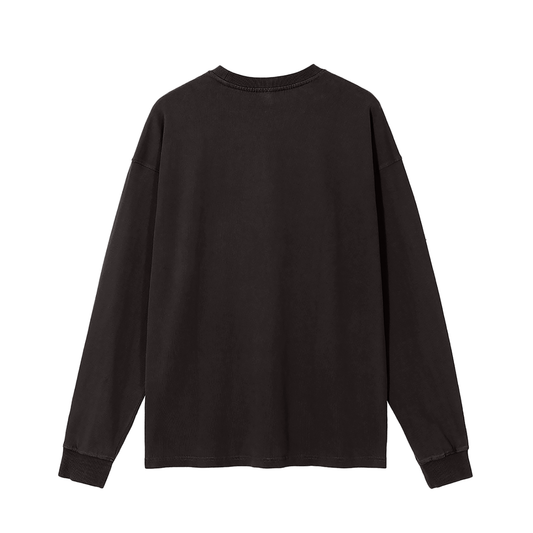
Rave Dad Long Sleeve T-Shirt
Regular price $55.00 USDRegular priceUnit price per -
I Like House Oversized Vintage T-Shirt
Regular price $45.00 USDRegular priceUnit price per -
Born To Rave Crop Top
Regular price $38.00 USDRegular priceUnit price per




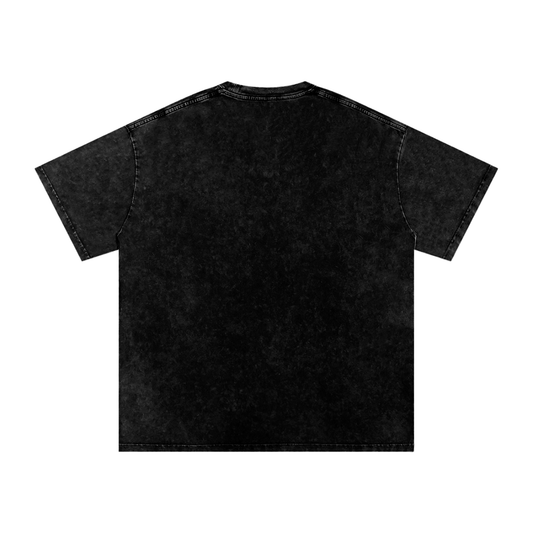

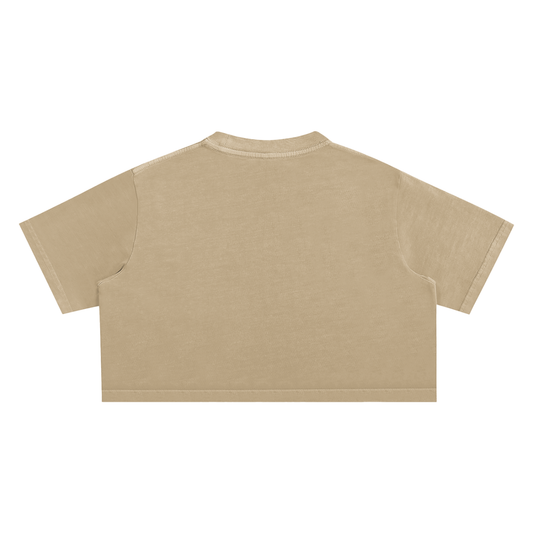
What Is Rave Streetwear?
Rave streetwear definition: Rave streetwear is a style of clothing that merges streetwear's utility and aesthetic codes, such as oversized silhouettes, graphic-heavy pieces, and technical fabrics, with the expressive, high-energy demands of rave and festival culture. It sits apart from traditional rave fashion, which leans into full costume territory, bodypaint, and elaborate accessories. Rave streetwear is wearable outside the venue, durable enough for an eight-hour set, and deliberate enough to be considered a real style.
This is not a niche internet category anymore. It is how a growing chunk of the EDM scene actually dresses. You see it at every major event, from the outdoor stages at Ultra Miami to the warehouse floors of Boiler Room shows. The look has a logic to it, and once you understand that logic, it becomes pretty easy to build.

How Rave Streetwear Actually Developed
The short version: two worlds collided and neither one fully took over the other.
Rave culture in the late 80s and 90s had its own visual language. Baggy silhouettes, PLUR-coded accessories, bright colours, and a general attitude of "more is more." Streetwear, running on a parallel track, was pulling from hip-hop, skate culture, and Japanese youth fashion. Both scenes valued self-expression over convention. Both rejected mainstream dress codes. It was only a matter of time before they started bleeding into each other.
By the 2010s, the EDM boom pushed rave culture into a much bigger tent. Festivals like EDC Las Vegas were pulling six-figure daily crowds, according to Insomniac Events. The audience expanded, and so did the aesthetic range. People stopped choosing between "festival costume" and "normal clothes." They started building outfits that did both jobs at once.
Streetwear brands started referencing club culture. Rave-adjacent labels started dropping pieces that could hold up outside the festival grounds. And the people actually going to events started mixing and matching without caring much about the category labels. That mix is what rave streetwear is now.
For a deeper look at how this shift played out, The Rise of Rave Streetwear in 2026 breaks it down across the current moment specifically.
What Makes Something Rave Streetwear
The rave streetwear formula: A rave streetwear outfit typically combines three things: a strong graphic or silhouette that reads as intentional, at least one technical or functional element like a cargo pocket or moisture-wicking fabric, and an overall look that works equally well on a dancefloor and on the street. The best pieces pull off all three without looking like they are trying too hard.
There are a few consistent building blocks worth knowing.
Silhouette
Oversized fits are the default. Baggy jeans, wide-leg cargo pants, boxy tees. This is not just aesthetic preference. Loose silhouettes move better, breathe better, and feel better after hour four on a dancefloor. Fitted pieces do appear in the mix, especially crop tops and layered shorts, but the general vibe skews large.
Graphics and Visual Identity
Rave streetwear leans hard on graphic work. Dark backgrounds, bold typography, abstract or industrial imagery, and references to music culture. The graphics carry meaning. They signal genre, scene, and subculture in a way that a plain white tee does not. Someone wearing a piece that references UK rave culture is telling you something about what they listen to. That communicative function is part of what makes the style work.
This connects directly to how different music scenes shape their own visual codes. The techno crowd at Berghain dresses differently from the bass music crowd at a desert festival, and those differences are real and deliberate. How Music Genres Shape Rave Streetwear goes into that territory in detail.
Functionality
This is where rave streetwear separates itself most clearly from rave fashion as a costume category. Pockets matter. Fabrics that handle sweat matter. Shoes you can stand in for six hours matter. The style is expressive, yes, but ravers are also practical people. A pair of cargo pants with real storage beats a sequined bodysuit before midnight.
The Palette
Dark neutrals are the backbone. Black, charcoal, washed grey, deep olive. These layer well, show less wear under festival conditions, and give graphics room to hit. Brighter accent pieces exist, but the overall palette tends to stay grounded. This is one of the clearest differences between rave streetwear and the neon-maximalist look most people picture when they hear "rave outfit."

Rave Streetwear vs Rave Fashion: The Actual Difference
Rave fashion is a broader umbrella. It includes everything from elaborate UV-reactive costumes to fairy wings to chrome bikinis with thigh-high boots. All of that is valid and has its place, especially at events like EDC where the visual spectacle is part of the point.
Rave streetwear occupies a specific lane within that broader world. The line is roughly here:
- Rave fashion can be a full costume. Rave streetwear is a fit.
- Rave fashion often prioritises visual impact over wearability. Rave streetwear does both.
- Rave fashion draws from cosplay, performance, and club kid traditions. Rave streetwear draws from skate, hip-hop, and contemporary street style.
- Rave fashion tends to stay at the event. Rave streetwear goes to the after-party and the coffee shop the next morning.
Neither is more legitimate than the other. They serve different intentions. If you want a full breakdown, Rave Fashion vs Rave Streetwear goes deep on the distinction.
Resident Advisor has documented the gradual shift toward more streetwear-coded dressing across underground dance music communities, particularly as the line between club culture and mainstream youth fashion has narrowed over the last decade.
How to Build a Rave Streetwear Fit
Start with the base layer. An oversized tee or a fitted crop top depending on your preference and the weather. This is the piece that does the most visual work, so the graphic or cut should be strong. From there, add a bottom that has real utility: cargo pants, wide-leg shorts, layered skirts over bike shorts.
Layering is useful and often necessary. A zip-up hoodie or an open overshirt gives you temperature control for outdoor stages and transitions between inside and outside venues. Check out Rave Uniform's hoodies if you want pieces designed specifically with festival conditions in mind.
Shoes: chunky trainers, platform boots, or anything with serious sole support. This is not negotiable if you are doing a multi-day event. On that note, How to Survive a Multi-Day Music Festival covers what actually holds up across three days of hard use.
Accessories are where personal expression gets more specific. Caps, bucket hats, lightweight bags that carry hands-free. The goal is to keep it functional while staying coherent with the rest of the fit.
If you are going to a specific event, the location and conditions should drive some of your choices. What to Wear to an EDM Festival by Weather is a practical starting point for that planning.
Where Rave Streetwear Shows Up
The aesthetic plays across a wide range of events, but it does not look identical everywhere.
At outdoor US festivals like EDC Las Vegas or Beyond Wonderland, the look tends to run brighter and more maximalist, even within the streetwear lane. Colour blocking, reflective prints, and statement pieces are more common. For a specific guide to that event, What to Wear to EDC 2026 has the full breakdown.
At underground or warehouse events, the palette goes darker and the silhouettes get more severe. All black is standard, technical fabrics are common, and the overall vibe is more about cool restraint than spectacle. Think Boiler Room rather than mainstage.
UK events occupy their own space. Fabric, Junction 2, and the broader UK rave circuit have always had a specific visual identity that sits somewhere between sportswear and club wear, with strong roots in 90s rave culture and UK grime. That history matters and you can see it in what people actually wear.
According to festival fashion trends coverage in Vogue, the crossover between streetwear and festival dressing has accelerated significantly, with mainstream audiences increasingly adopting the utility-forward, graphic-led aesthetic that the rave scene has been running for years.
Why It Matters Beyond the Event
Rave streetwear is part of a longer conversation about how subculture aesthetics move into everyday life. The same thing happened with skate fashion, with hip-hop, with goth and punk. The clothes carry culture with them. When you wear a piece that references rave history or signals genre alignment, you are participating in something that has real roots.
For newer people coming into the scene, figuring out what to wear can feel like decoding a social signal. What to Wear to a Rave is a good starting point if you are still building your vocabulary. The short version: dress for where you are going, dress for comfort, and dress like you mean it.
If you want to explore pieces built for this specific overlap of street style and festival function, Rave Uniform is a good place to start.
Frequently Asked Questions
What should I wear to a rave if I want to look good but stay comfortable?
Go oversized on top and choose bottoms with real pockets. An oversized graphic tee with cargo pants or festival shorts covers both. Prioritise shoes you can stand in for hours, and bring a layer you can tie around your waist if temperatures shift during the night.
Is rave streetwear only for big festivals or can I wear it to smaller club nights?
It works everywhere. Rave streetwear scales down well because the pieces are not costumes. A dark graphic tee, wide-leg pants, and clean trainers reads perfectly at a 300-person warehouse show or a 50,000-person outdoor festival. The fit logic stays the same either way.
What's the difference between EDM fashion and rave streetwear?
EDM fashion is a broad term covering everything worn at electronic music events, including elaborate costumes and festival looks. Rave streetwear is a specific style within that world. It borrows from streetwear aesthetics, prioritises wearability, and tends toward dark palettes and strong graphics over full costume builds.
How do I know if an outfit counts as rave streetwear or just regular streetwear?
If it works on a dancefloor for six hours and also makes sense walking around a city the next day, it is rave streetwear. The practical test is function. The aesthetic test is whether the graphic or silhouette references music culture in some way, even loosely. Both things together put it in the category.
More pieces for this look
-
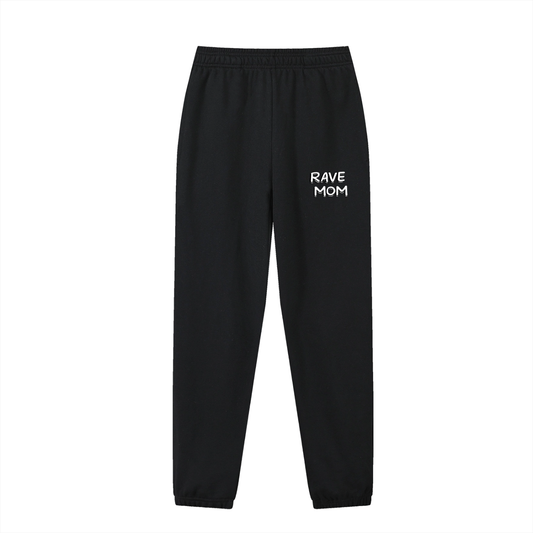
Rave Mom Cuffed Sweatpants
Regular price $49.95 USDRegular priceUnit price per -
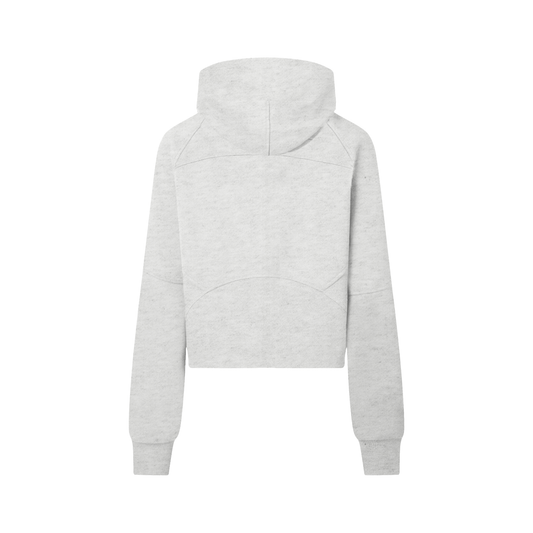
Vinyl Love Half-Zip Hoodie
Regular price $78.00 USDRegular priceUnit price per -
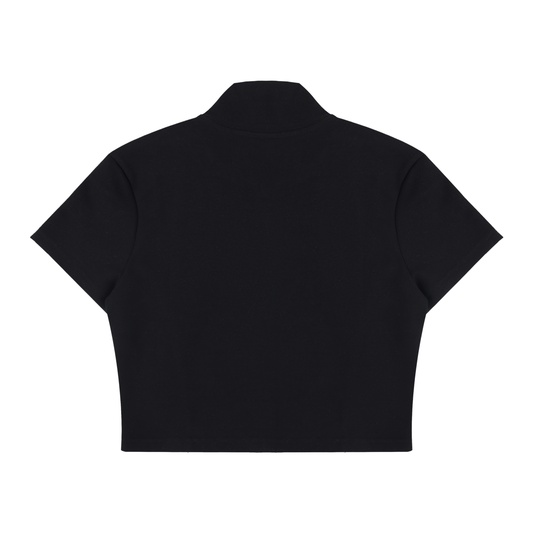
Vinyl Love Cropped Zip-Up T-Shirt
Regular price $42.00 USDRegular priceUnit price per -
Plant Friends Boxy Tank Top
Regular price $45.00 USDRegular priceUnit price per