Festival Hydration Packs: What to Look For and What Venues Actually Allow
Shop the look
-
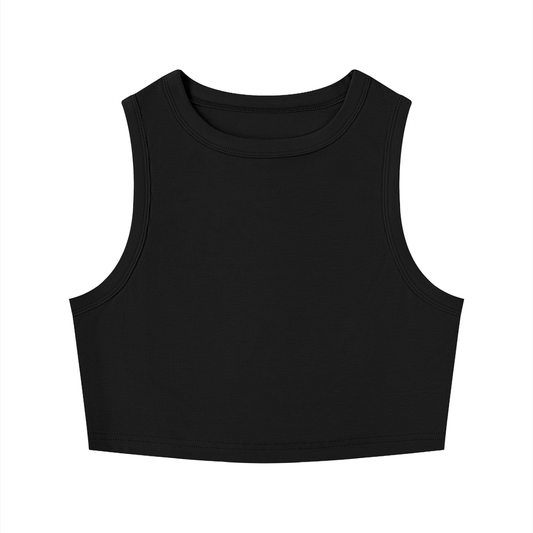
Crewneck Cropped Tank Top
Regular price $38.00 USDRegular priceUnit price per -
I Like Bass Tank
Regular price $40.00 USDRegular priceUnit price per -
Rave Dad Oversized T-Shirt
Regular price $45.00 USDRegular priceUnit price per -
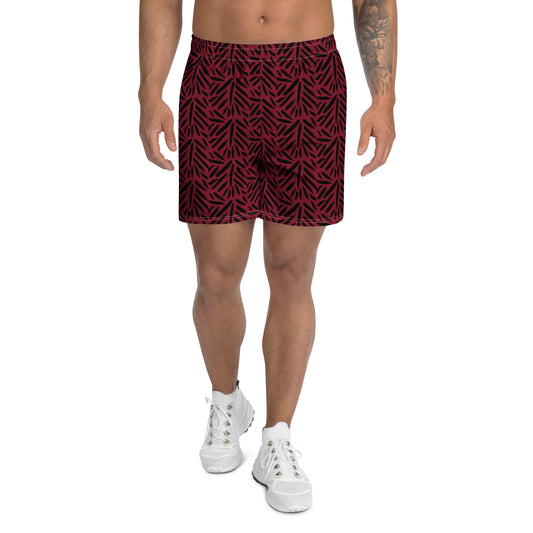
Burnt Leaf Active Shorts
Regular price $49.95 USDRegular priceUnit price per



A festival hydration pack is one of those things you don't think about until you're three hours into a set, your mouth tastes like dust, and the nearest water station has a forty-person line. Get the right one and you barely notice it. Get the wrong one and you're fighting a leaky hose or sweating through a bag that weighs eight pounds before you've even filled it.
This guide covers what to look for, which types are worth it, and what venues will and won't let through the gate.

What Actually Matters When Picking a Hydration Pack for a Festival
Festival hydration pack basics: A good festival hydration pack holds between 1.5 and 3 liters of water in a flexible reservoir with a bite valve tube, sits close to your back without bounce, and passes most major venue security checks. The difference between a $30 pack and a $90 one is mostly in the harness system and how the reservoir seals.
- Bladder capacity: For a single-day festival, 1.5 to 2 liters is the sweet spot. Bigger than that and the pack starts to feel like you're carrying a toddler, and most venues with strict bag rules cap total pack volume anyway.
- Pack size and total volume: Many events now enforce small bag policies. EDC Las Vegas, for example, runs strict security checks and limits bag dimensions. Know the event rules before you buy. A hydration pack sitting at or under 20 liters total volume usually passes.
- Harness and fit: Bounce is the enemy. A pack that shifts around while you're dancing will wreck your back by midnight. Look for a chest strap and a snug torso fit, not just shoulder straps thrown on a rectangle.
- Material and heat: Dark-colored packs sitting in direct sun will warm your water fast. Insulated reservoirs or light-colored shells help more than you'd think at a summer outdoor festival.
- Hose and bite valve quality: Cheap valves crack or let water trickle when you don't want them to. A magnetic hose clip that keeps the tube on your strap is a small thing that matters a lot over a twelve-hour day.
Venue Rules Are Not Uniform and That's the Real Problem
This is where most buying guides skip the honest part. Festival water bladder rules vary by event, venue, city, and sometimes by which security guard is working the gate that day. There is no universal policy.
Events like Ultra Miami and EDC Las Vegas post bag policies on their websites, and they do update them year to year. Both have historically allowed hydration packs but with size restrictions and sometimes requirements that the pack be clear or inspectable. Coachella has allowed hydration packs but bans glass and certain containers. Boiler Room events are mostly club-format and almost never allow a full backpack in. Berghain? Don't even start.
The practical move is to check the official event FAQ no earlier than two weeks before the event, because policies get revised. Screenshot it. If you're going to Ultra, the streetwear guide for Ultra 2026 covers what the vibe is like overall, but bag rules live on the official site and nowhere else reliably.
A few patterns hold across most major festivals:
- Hard-sided coolers and glass are almost universally banned
- Hydration packs with bladders are allowed more often than hard water bottles at capacity festivals where crowd safety is a concern
- Small soft flasks (under one liter) pass almost everywhere with almost no friction
- Camelbak-style packs with minimal storage compartments get waved through more often than hiking packs with lots of pockets
At camping festivals like Electric Forest or Shambhala, the rules are completely different because you're moving between a campsite and the stages. You can carry much more. The gate check is usually about prohibited substances, not bag dimensions.
Which Type of Pack to Get Based on How You Actually Festival
The Minimalist Vest Pack
If you're a front-of-crowd person, dancing hard, probably wearing a cropped top or a fitted jersey, a vest-style hydration pack is where it's at. These sit tight to your body, distribute weight across your chest and back, and don't have a bunch of dangling pockets to catch on people. The reservoir is usually 1.5 to 2 liters, which is enough for a four to five hour stretch between fills. Not ideal for storing much else, which is the point.
The Mid-Size Day Pack with a Reservoir Sleeve
This is the most common choice and the right one for most people. You get a 2-liter bladder plus enough storage for a portable charger, sunscreen, earplugs, and a light layer. The tradeoff is that the pack is more visible and more likely to get scrutinized at security. Keep total volume under 20 liters and you'll be fine at most festival-format events.
If you're headed to EDC and want to know how this fits with what you're wearing, the EDC 2026 streetwear guide gets into the full kit breakdown.
The Soft Flask Plus Small Pouch
Underrated. A collapsible soft flask in a small crossbody or hip pack is legal everywhere, takes up almost no space, and you can refill it at water stations without removing a whole pack. The obvious downside is that 500ml goes fast when it's 95 degrees in Las Vegas. This works best as a secondary setup if you're doing a camping festival and keeping your main hydration back at camp.
The Hiking Pack at a Camping Festival
At multi-day camping events, some people bring a proper hiking-style hydration pack with a 3-liter reservoir. This makes sense if you're covering a lot of ground between stages and want to carry food, layers for temperature swings, and gear. The pack is comfortable for walking. It's awful for dancing. Leave it at camp when you're going to the main stages at night. Pair it with festival shorts or cargo pants that can carry some of the load so you're not stuck wearing the full pack all day.

What's Not Worth the Money
Insulated packs with built-in speaker systems or LED strips. You will get to the festival, be embarrassed, and the speakers will die by hour two. Hard pass.
Brand-new expensive hiking hydration packs from outdoor retailers, brought straight to a festival without testing the fit while dancing. Some of those packs are engineered for trail running biomechanics, not lateral movement in a crowd. The fit is different. Try it at home first.
Novelty packs shaped like animals or characters. Fine if that's your whole costume. Useless if you actually want to carry water efficiently and move freely. Events like Resident Advisor-covered underground events tend toward darker aesthetics where a plushie backpack will just look lost.
Anything with a silver mylar "thermal" exterior marketed as a hydration pack. The insulation is usually minimal and the material scratches and looks wrecked after one festival. Spend the money on a good reservoir and a simple pack shell.
A Few Practical Notes Before You Go
Clean the reservoir after every use. Mold grows fast in a bladder that got warm and wasn't dried properly. Most quality reservoirs are dishwasher safe on the top rack, or you can use a bladder cleaning kit with a long brush. Don't skip this.
Freeze part of the water the night before. Fill the bladder halfway, freeze it, then add cold water before you leave. You'll have cold water for a couple of hours longer than you would otherwise.
Know where the free water stations are at your event. Major festivals provide them and they're usually marked on the app map. EDC, Ultra, and Coachella all have water refill stations. The goal is to refill every hour or so, not to haul enough water to last the whole day.
The hydration pack music festival scene has grown with the festivals themselves. Events that now draw six-figure daily crowds have had to rethink on-site infrastructure, and free water access is part of that. Use it. The pack is just the delivery system.
For more on building a full festival kit that holds up across weather, the EDM festival by weather guide covers the layering side of things that a hydration pack alone won't solve.
Frequently Asked Questions
Are hydration packs allowed at music festivals?
Most major outdoor music festivals allow hydration packs, but policies vary. Check the official event website within two weeks of the event, since rules change year to year. Packs under 20 liters with a bladder capacity of 2 liters or less pass most security checks without issue. Club-format and indoor events are much less likely to allow any backpack at all.
What size hydration pack should I bring to a festival?
A pack with a 1.5 to 2 liter reservoir is enough for a single day. Total pack volume should stay under 20 liters to meet most venue bag policies. Bigger packs are fine at camping festivals where you're moving between a campsite and stages, but they're a burden in dense crowds.
Can I bring a Camelbak to EDC or Ultra?
Both EDC and Ultra have historically allowed hydration packs including Camelbak-style packs, with size restrictions. Check the current year's official bag policy on each event's website before you go. Policies update, and what was allowed last year may have changed.
How do I keep water cold in a hydration pack at a festival?
Freeze the bladder halfway full the night before, then top it off with cold water before entry. This keeps your water cool for a few hours longer. Refill at on-site water stations throughout the day rather than trying to carry enough to last the whole event.
More pieces for this look
-
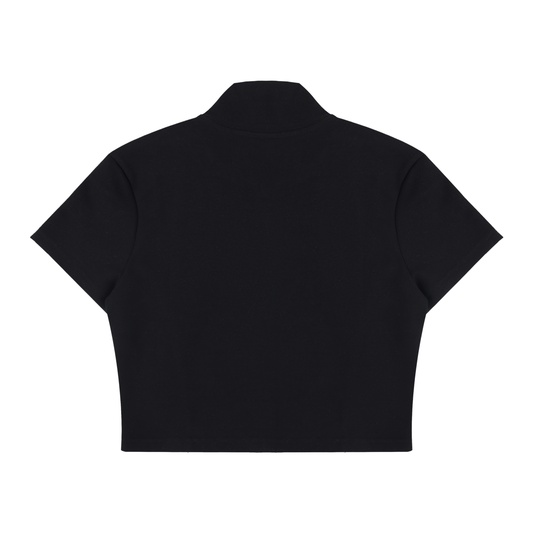
Vinyl Love Cropped Zip-Up T-Shirt
Regular price $42.00 USDRegular priceUnit price per -
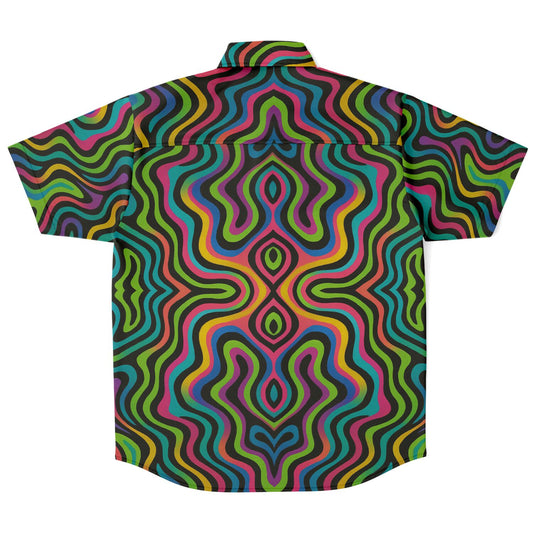
Psychedelic Drapes Button Up
Regular price $59.95 USDRegular priceUnit price per -
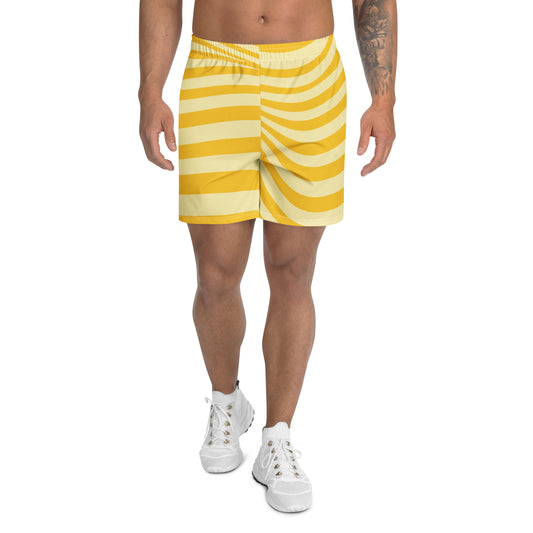
Banana Spilt Active Shorts
Regular price $49.95 USDRegular priceUnit price per -
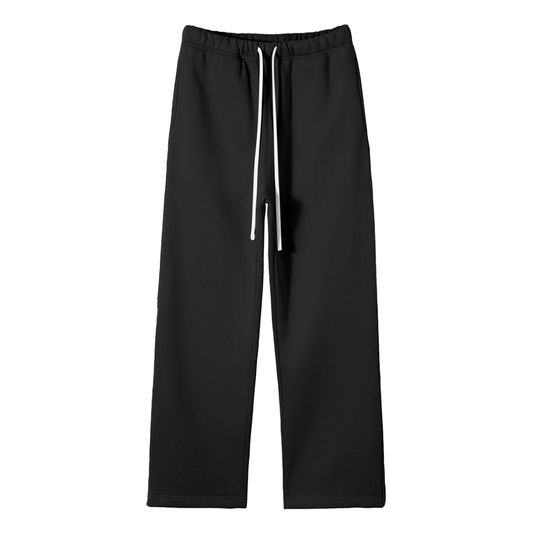
Fleece Straight Leg Sweatpants
Regular price $60.00 USDRegular priceUnit price per