How to Wash and Care for Your Rave Clothes So They Last
Shop the look
-
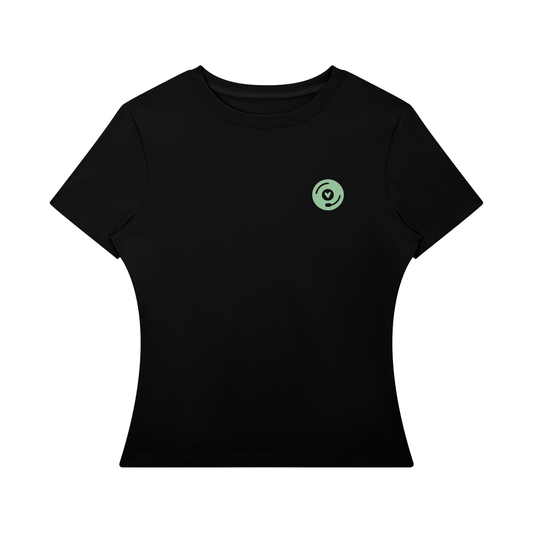
Breathable Slim Fit T-Shirt
Regular price $38.00 USDRegular priceUnit price per -
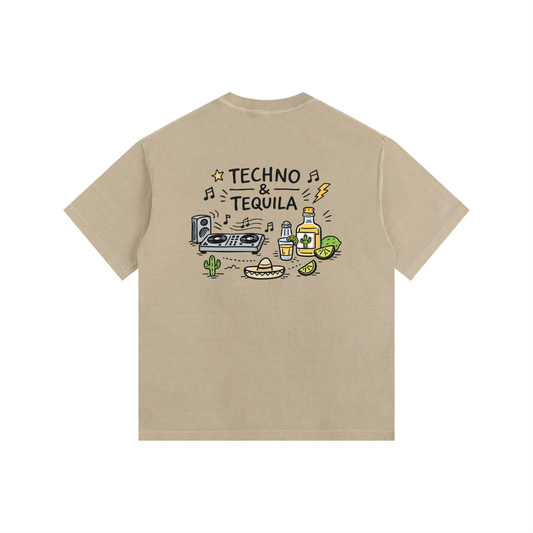
Techno & Tequila Oversized T-Shirt
Regular price $45.00 USDRegular priceUnit price per -
Daughter of The Moon T-Shirt
Regular price $40.00 USDRegular priceUnit price per -
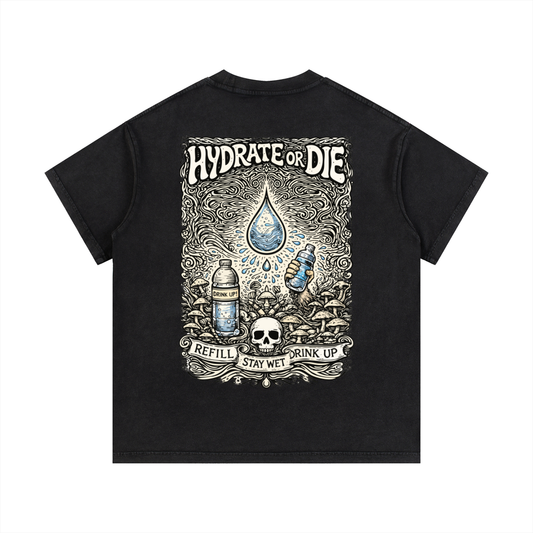
Stay Hydrated T-Shirt
Regular price $40.00 USDRegular priceUnit price per




Your rave clothes take a beating. Sweat, body glitter, festival dust, maybe some mystery liquid from a crowd surge at EDC. Knowing how to wash rave clothes properly is what separates the pieces you wear for years from the ones that fall apart after three events. This guide gets into the specifics: water temperature, drying methods, fabric quirks, and the small habits that keep your fits looking sharp season after season.
Rave clothing care, the short version: Most rave and festival clothing lasts significantly longer when washed in cold water on a gentle cycle, turned inside-out, and air-dried instead of tumble-dried. Heat is the main enemy. It breaks down elastic fibers, fades graphic prints, and warps synthetic materials. A few consistent habits added to your post-event routine can double the lifespan of your pieces.
Why Rave Clothes Break Down Faster Than Regular Clothes
Festival gear isn't just worn. It gets soaked through, compressed in a bag for hours, exposed to UV light all day, and sometimes drenched in a crowd before you even reach the main stage. Events like EDC Las Vegas run across multiple days in desert heat, and the sweat, sunscreen, and product buildup that accumulate in your clothes during that window is genuinely rough on fabric.
Synthetic materials like polyester and spandex blends are especially sensitive to heat and harsh detergents. Graphic tees lose their print definition when the ink gets broken down by high wash temperatures or agitation from heavy spin cycles. And elastic waistbands, mesh panels, and stretch fabrics all degrade faster when they're repeatedly tumble-dried.
The damage isn't always obvious right away. A hoodie might look fine after the first few bad washes. But after ten events, the color looks dull, the print is cracking, and the fabric has that worn-out texture that makes it feel like a different piece. That's avoidable.

How to Wash Rave Clothes Without Ruining Them
These steps cover the full wash process from post-event to storage, specifically for rave and festival clothing with graphics, synthetic blends, or stretch materials.
- Check the label first: Every piece has care instructions for a reason. If the label says hand wash or cold only, follow it. Ignoring this step costs you pieces you actually liked.
- Turn everything inside-out: This protects graphic prints and embroidered details from direct friction during the wash cycle. Do this before the clothes even go near water.
- Use cold water, always: Hot water causes fibers to contract and colors to bleed. Set your machine to cold, and use a gentle or delicate cycle. High-speed spin settings are harder on fabric than most people realize.
- Choose a gentle, dye-free detergent: Harsh detergents with brighteners strip color from dark fabrics and degrade graphic inks faster. A small amount of a mild, fragrance-free detergent is enough for most festival pieces.
- Skip the dryer: Lay clothes flat or hang them to air-dry. Tumble drying on any heat setting breaks down elastic, shrinks synthetic fabrics, and cracks printed graphics over time. Air-drying takes longer but the difference in longevity is significant.
- Store clean and dry: Never store festival clothes while damp. Mildew sets into fabric fast, especially in mesh or tightly woven pieces. Make sure everything is fully dry before folding or hanging.
Follow this process consistently and your rave wardrobe will hold up through multiple festival seasons instead of fading out after a few events.
Caring for Festival Clothes by Fabric Type
Not all rave clothes need the same treatment. The fabric determines how aggressive you can be with washing, and most people wash everything the same way regardless of material. That's usually fine for basics, but festival clothing often uses specific materials that need more attention.
Graphic Tees and Printed Hoodies
Caring for festival clothes with screen-printed or DTG graphics comes down to heat avoidance and inside-out washing. Both printing methods bond ink to the surface of the fabric, and anything that creates friction or heat directly on that surface degrades the print. If you're washing a heavyweight graphic tee, a short gentle cycle in cold water is enough to get it clean without stressing the print layer.
For oversized tees with large front or back graphics, air-drying flat (rather than hanging) also prevents the print from stretching out as the fabric dries under its own weight.
Synthetic and Stretch Fabrics
Spandex, polyester, and nylon blends are common in rave clothing because they move well and hold their shape. They're also more sensitive to heat than natural fibers. High dryer temperatures cause polyester to pill and spandex to lose its elasticity permanently. Once the stretch is gone, it's gone.
Wash these pieces in a mesh laundry bag if possible. It reduces friction and prevents straps or ties from tangling and stretching during the cycle.
Hoodies and Heavier Pieces
Festival hoodies and heavier cotton pieces hold sweat and odor more than lighter fabrics, so they often need a longer soak or a second rinse cycle. Still use cold water. If there's a persistent odor after washing, a short soak in cold water with a small amount of white vinegar before the wash cycle usually handles it without damaging the fabric or the print.
Avoid wringing them out aggressively. That stretches the fabric in ways that cold washing alone wouldn't, especially around the collar and cuffs.

How to Keep Graphic Tees From Fading
Keeping graphic tees from fading: The most effective way to prevent graphic tee fading is to wash in cold water with the garment turned inside-out and skip the dryer entirely. Heat from both hot wash cycles and tumble drying breaks down the bond between ink and fabric. Doing both consistently can extend the visual life of a graphic print by two to three times compared to standard washing.
Beyond the wash process, sunlight is a real factor. If you're at a multi-day outdoor festival like Ultra Miami and your gear is in direct sun for six or eight hours, the UV exposure adds up. That's not something you can avoid when you're actually at the event, but storing clothes away from direct sunlight at home makes a difference over time.
One more thing worth knowing: fabric softener and graphic prints don't mix well. Softener coats fabric fibers and can create a barrier that affects how ink sits on the surface. It makes the feel of the fabric slightly different and over repeated washes, it contributes to print degradation. Skip it entirely on printed pieces.
Post-Event Habits That Actually Protect Your Clothes
What you do in the first hour after getting home matters as much as how you wash the clothes. Leaving festival gear in a bag overnight, damp with sweat, creates conditions where mildew and odor set into the fabric fast. That's one of the most common reasons rave pieces get that smell that doesn't fully wash out.
Take everything out of your bag when you get home. Hang it up or lay it flat. Let it air out before it goes in the wash. This is especially true for pieces with embellishments or layered construction, where moisture can get trapped between fabric layers and sit there for hours.
Spot-treating stains before washing is also worth doing instead of hoping the machine handles it. Glitter and face paint respond well to a small amount of dish soap worked in gently with cold water before the main wash. Grass and mud stains should be allowed to dry fully before you try to remove them since treating them wet often just spreads the stain further into the fabric.
If you're building out a wardrobe that can hold up to regular festival use, check out How to Build a Rave Streetwear Wardrobe From Scratch for a breakdown of what's worth investing in versus what's fine to buy cheap. And if you're figuring out what to bring to your next event, What to Wear to an EDM Festival by Weather covers how to dress for specific conditions without sacrificing the fit.
The pieces worth taking care of are the ones you'd actually miss. Treat them that way and they'll stay in rotation a lot longer than most people expect festival clothing to last.
Browse the full range at Rave Uniform and pick up pieces worth keeping.
Frequently Asked Questions
Can I put rave clothes in the dryer?
Skip the dryer if you can. Heat breaks down elastic fibers, shrinks synthetic fabrics, and cracks graphic prints over time. Air-drying on a flat surface or a hanger keeps the shape intact and extends the life of the garment significantly, especially for stretch-heavy or printed pieces.
How do I get sweat smell out of festival clothes?
Soak the item in cold water with a small amount of white vinegar for 20 to 30 minutes before washing. Then run a normal cold gentle cycle. Let it fully air out before storing. Leaving damp festival clothes in a bag overnight makes the odor harder to remove.
How do I wash festival clothes with glitter or sequins?
Hand wash in cold water when possible. If using a machine, put the item in a mesh laundry bag on a delicate cold cycle. Never tumble dry. Glitter and sequin detailing is fragile and high heat or heavy agitation pulls pieces off and damages the surrounding fabric.
How often should I wash my rave clothes?
Wash after every event you sweat in. Leaving sweat in fabric breaks it down faster than regular washing does. For pieces worn in cooler indoor venues with minimal sweating, airing them out and spot-cleaning is fine between full washes.
More pieces for this look
-
Side Quest Oversized T-Shirt
Regular price $45.00 USDRegular priceUnit price per -
Tread On Me Oversized Vintage T-Shirt
Regular price $45.00 USDRegular priceUnit price per -
Still Vibin' T-Shirt
Regular price $40.00 USDRegular priceUnit price per -
Free Mind Oversized Vintage T-Shirt
Regular price $45.00 USDRegular priceUnit price per