Shuffle Dancing: Where It Came From and How People Learn It
Shop the look
-
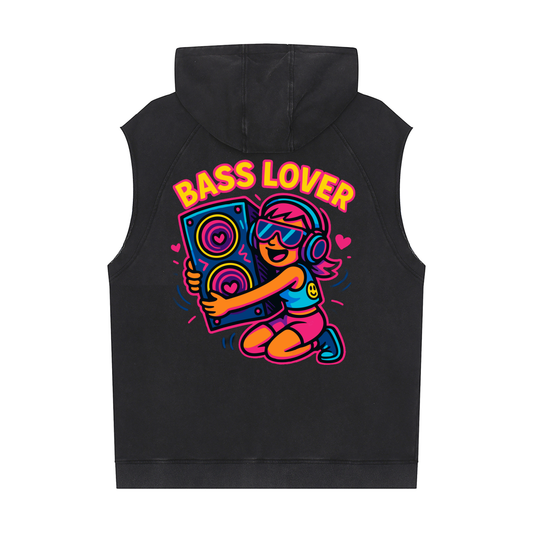
Bass Lover Sleeveless Hoodie
Regular price $65.00 USDRegular priceUnit price per -
Scrunch Waist Cargo Pants
Regular price $49.95 USDRegular priceUnit price per -
Mushroom Cotton Shorts
Regular price $50.00 USDRegular priceUnit price per -
Its Hot Frog Oversized Vintage T-Shirt
Regular price $45.00 USDRegular priceUnit price per





Shuffle dancing at a rave is a rhythmic footwork style where dancers use running man steps, T-steps, and sliding movements timed tightly to the kick and hi-hat of electronic music. It started underground in Melbourne in the late 1980s before spreading globally through YouTube tutorials and festival culture. Today it is one of the most recognized rave dancing styles in the world, showing up on main stages at EDC, in warehouses, and across every corner of TikTok.

Where Shuffle Dancing at a Rave Actually Came From
Melbourne Shuffle origins: Shuffle dancing developed in the underground rave scene in Melbourne, Australia during the late 1980s and early 1990s. It grew out of hard trance and hardstyle parties, with dancers improvising footwork patterns to keep up with fast, driving tempos. The style spread internationally in the mid-2000s largely through early YouTube videos, before social media made it a global phenomenon.
The Melbourne shuffle was not invented. Nobody sat down and designed it. It evolved on dancefloors where the music was fast, the rooms were dark, and people were just trying to move with what they felt. The foundational move, the running man, came first. From there, dancers layered in T-steps, spins, and gliding variations.
What made Melbourne specifically the origin point comes down to scene geography. The city had a dense, tight-knit underground rave circuit in that era, which meant styles and techniques passed person to person faster than they might elsewhere. By the time the internet arrived, the style had enough internal consistency to travel as a recognizable thing.
How YouTube Changed Everything
The mid-2000s upload wave is what took the Melbourne shuffle global. Kids in the US, Europe, and Southeast Asia were watching tutorial videos and learning moves in their bedrooms years before they ever set foot in a club. That bedroom-to-dancefloor pipeline created a generation of shufflers who arrived at their first rave already knowing the basics.
Hardstyle producers and DJ collectives from the Netherlands played a major role in this spread. The genre matched the shuffle perfectly: driving four-on-the-floor kicks, syncopated reverse bass, tempos sitting between 140 and 150 BPM. The shuffle became the default dance for that sound in a way that felt completely organic.
By the time EDM exploded into stadium culture in the early 2010s, shuffle dancing had already moved well beyond its origins. The genre you were dancing to started shaping how and where you shuffled. Hard trance events looked different from festival main stages. The footwork stayed, but the context kept shifting.
How Shuffle Dancing Actually Works in Practice
Two moves form the foundation of almost every shuffle style you will see at a rave. Everything else builds from them.
- The Running Man: A hop-based step where one foot slides back along the floor while the other lifts and comes forward. Done in time with the kick drum, it creates a smooth back-and-forth motion that looks almost like you are running in place with your feet staying close to the ground.
- The T-Step: One foot stays planted while the other sweeps out to the side and back, drawing a T shape on the floor. The weight transfers between feet in a rocking motion. This one opens up spins and direction changes more naturally than the running man does.
Once those two feel automatic, dancers start combining them. A run into a T-step. A spin off a T-step. Slides, kicks, arm movements layered on top. The ceiling is high, which is part of why the style has stayed interesting across decades.
Music Tempo and How It Changes the Dance
The tempo of the track dictates how the shuffle looks and feels. Hardstyle at 150 BPM produces tight, sharp footwork with minimal arm movement because the feet need to keep pace. House music in the 125 to 130 BPM range creates space for bigger movements, smoother slides, and more expression in the upper body.
Festival events like EDC Las Vegas regularly draw over 160,000 attendees across multiple days, and on any given stage you will see shufflers adapting their footwork to whatever genre is playing. The same person might shuffle differently at the hardstyle stage versus the house tent. The core vocabulary stays the same. The rhythm and energy shift.
Learning the shuffle usually follows a predictable arc. Running man first, slow, then at tempo. T-step next. Then spinning. Most people who go from zero to comfortable do it over about two to six months of regular practice. The floor is forgiving as a teacher because music gives you constant feedback on whether your timing is right.
What to Wear When You're Actually Moving
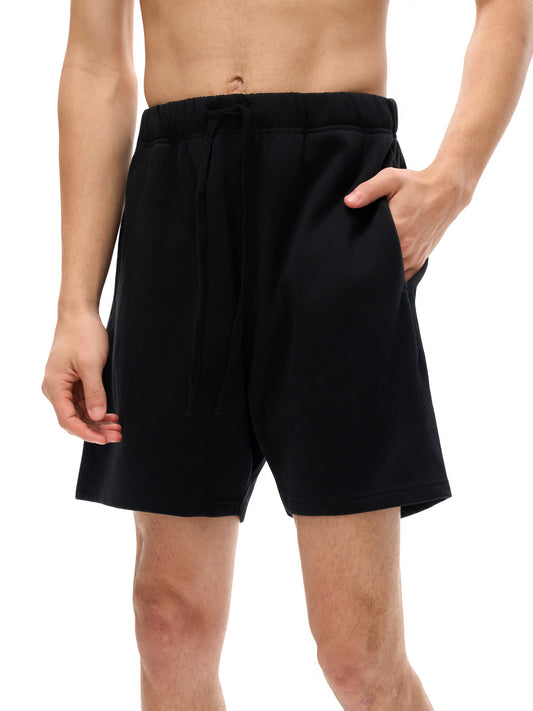
Shuffle dancing demands range of motion. Anything too stiff or too tight in the hips and knees slows you down and can genuinely cause strain. Wide-leg cargo pants, festival shorts, and oversized tees are popular for a reason. They move with you instead of against you, and they handle a long night of sweating better than anything fitted.
Shoes matter more than most people admit before their first rave. Flat-soled shoes with smooth or semi-smooth soles let you slide. Chunky rubber soles catch and stop the glide that makes the shuffle look clean. If you have ever seen someone's running man look choppy and stiff, check the shoes first.

The Unwritten Rules Around Shuffle Dancing at a Rave
Dancefloor etiquette for shufflers: Shuffle dancing takes up significantly more floor space than standard club dancing, which creates a responsibility to read the room. At packed events, experienced shufflers compress their movement and stay spatially aware of the people around them. Swinging arms or wide sliding steps into a dense crowd is the fastest way to cause friction with people who are just trying to enjoy the set.
Space is the first thing to calibrate. If the floor is open, open up your movement. When it is packed, compress. This sounds obvious but a lot of people learn the dance before they learn how to read a room, and the gap shows.
Respect the Floor Dynamic
Most dancefloors have an implicit spatial logic. People near the front are there for the music and the DJ. The sides and back tend to have more room and more movement. Shufflers who drift toward the front and take up a four-foot radius of floor space during a peak moment will get looks, and deserve them.
Boiler Room footage is useful here because it captures genuine dancefloor dynamics in tight spaces. Watch how experienced dancers in those rooms adjust their range based on crowd density without losing the integrity of the movement. That spatial awareness is a skill just as real as the footwork itself.
Circles and Cypher Culture
When space opens up, especially at festivals, shuffle circles form organically. Someone starts moving, people step back to give room, and a loose circle develops. These are not formal competitions. The energy is collaborative. Someone takes the middle, does their thing, then another person steps in.
If you want to enter a circle, wait for a natural break in whoever is dancing. Do not step in mid-run. If you are not ready to take the floor, it is completely fine to stay on the outside and participate by holding space for whoever is in the middle. Clapping along, nodding, making the person feel seen. That energy matters.
Recording someone in a circle is generally accepted at festivals, less so in nightclub environments where cameras are often restricted or culturally unwelcome. The broader unwritten rules of rave etiquette apply here: read the room, ask if unsure, and default to respecting the space over getting content.
Learning in Public vs. Learning at Home
There is a version of learning to shuffle that embarrasses people out of trying: going to a rave, not knowing what they are doing, feeling exposed on a crowded floor. Most experienced shufflers do not care if someone near them is still figuring it out. The scene is generally welcoming to people who are clearly trying.
Where it gets awkward is when someone is learning in a way that endangers people around them. Flailing arms during the early running man phase in a packed environment is a real problem. Learning the basics at home, getting comfortable with the timing, and then bringing it to the floor is the move that respects everyone.
If you are still working out your first rave setup along with your first shuffle steps, that is exactly the right order of operations. Come prepared, stay curious, and give other people room to do the same thing.
Shuffle dancing has stayed relevant for three-plus decades because the fundamentals are accessible and the ceiling for expression is genuinely high. The scene rewards people who put in the time and carry themselves with awareness on a shared floor. That combination does not go out of style.
If you are building out what you wear to move in, browse what Rave Uniform has at raveuniform.com. The range is designed for people who are actually on the floor, not just in photos.
Frequently Asked Questions
What is shuffle dancing at a rave?
Shuffle dancing is a footwork-based rave dance style built around the running man and T-step movements. It originated in Melbourne's underground rave scene in the late 1980s and is now common at EDM festivals and clubs worldwide, typically danced to house, hardstyle, and trance music.
How do I learn how to shuffle dance as a beginner?
Start with the running man step at slow tempo until the motion feels automatic, then bring it up to speed with actual music. Most people become comfortable in two to six months of regular practice. Learn at home first before taking it to a crowded dancefloor.
What is the Melbourne shuffle and is it the same as regular shuffling?
The Melbourne shuffle is the original style that all modern shuffle dancing descends from. Today's festival shuffling has evolved with influences from different genres and regions, so there are visual differences, but the core running man and T-step vocabulary comes directly from the Melbourne scene.
Is shuffle dancing still popular at raves and festivals?
Yes. Shuffle dancing remains one of the most visible rave dancing styles globally. It appears consistently at major festivals like EDC, in warehouse events, and across hardstyle and house scenes. Social media has kept younger generations discovering and learning it continuously throughout the 2020s.
More pieces for this look
-
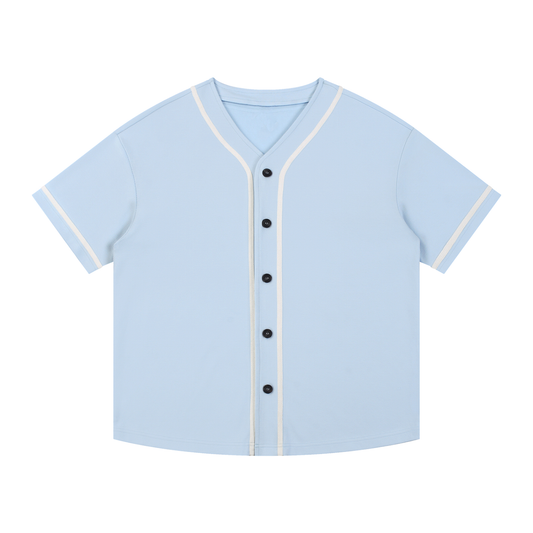
Contrast Piped Button-Up Jersey
Regular price $69.95 USDRegular priceUnit price per -
Side Quest Muscle Tank Top
Regular price $40.00 USDRegular priceUnit price per -
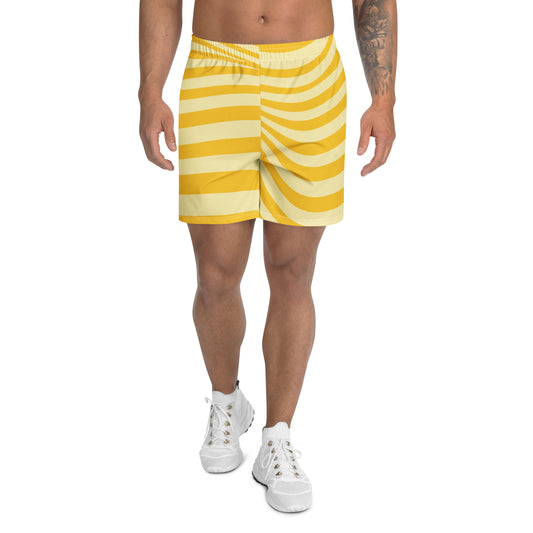
Banana Spilt Active Shorts
Regular price $49.95 USDRegular priceUnit price per -
Vinyl Love Heavyweight Hoodie
Regular price $80.00 USDRegular priceUnit price per