Techno Fashion: How to Dress for the Underground
Shop the look
-
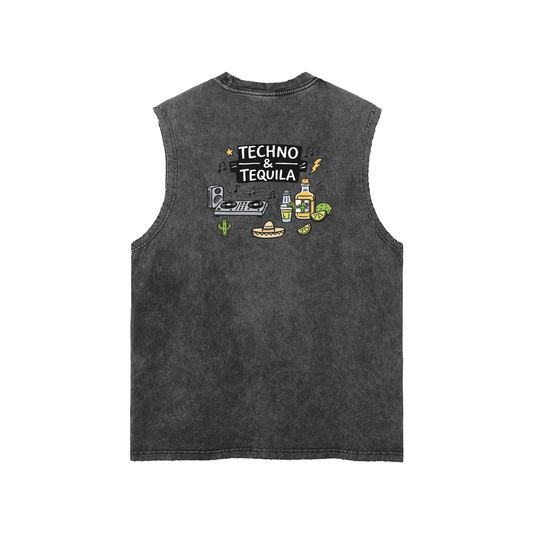
Techno & Tequila Tank Top
Regular price $40.00 USDRegular priceUnit price per -
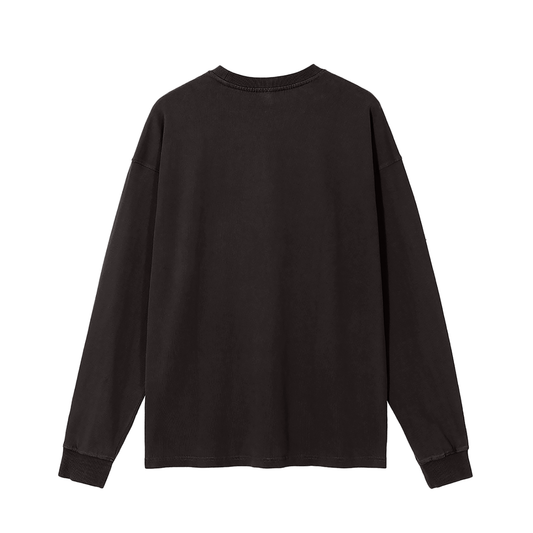
Rave Dad Long Sleeve T-Shirt
Regular price $55.00 USDRegular priceUnit price per -
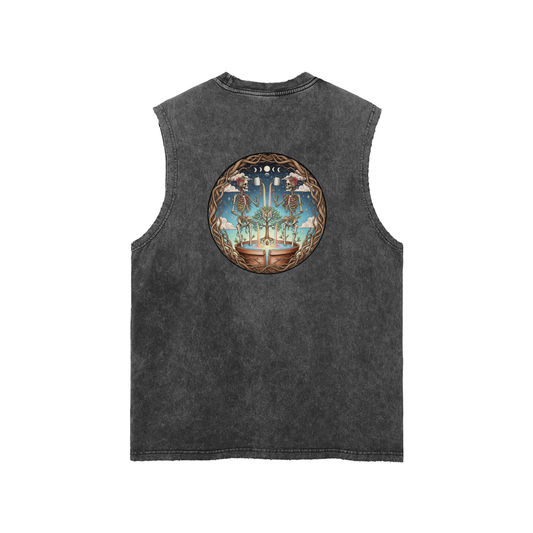
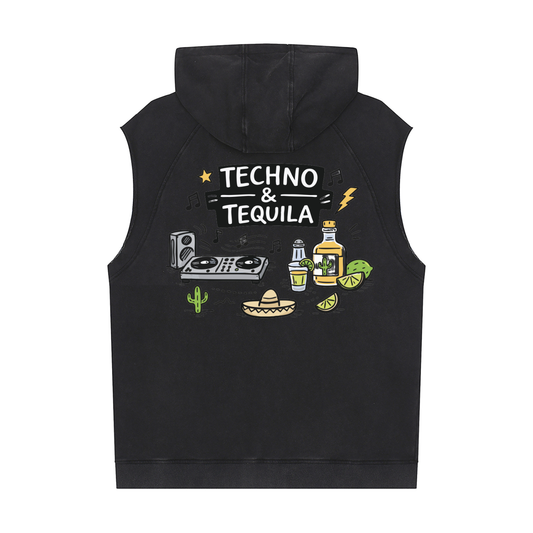
Techno & Tequila Sleeveless Hoodie
Regular price $65.00 USDRegular priceUnit price per -
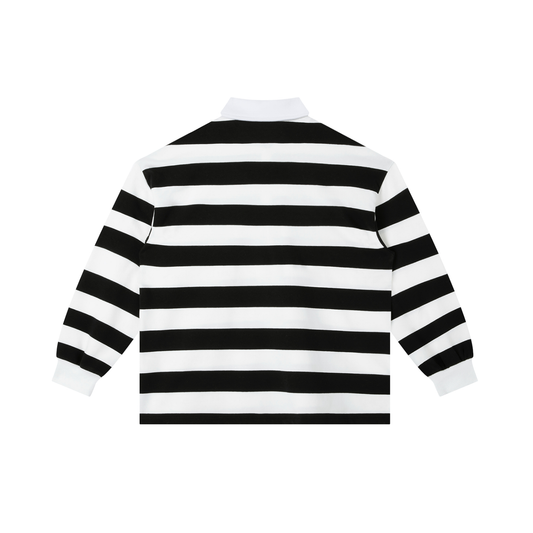
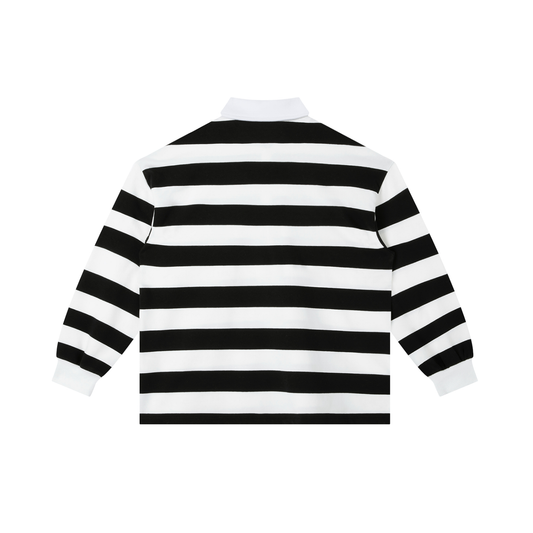
Rave Dad Stripe Polo Shirt
Regular price $60.00 USDRegular priceUnit price per




Techno fashion has its own rules. Dark palette, functional cuts, nothing that screams "I tried too hard." If you're heading to a warehouse party, a Boiler Room set, or a weekend at Berghain, what you wear signals something. It tells people whether you understand the culture or you're just visiting.
This guide breaks down exactly how to dress for underground events, what the Berlin techno style actually looks like in practice, and how to build a look that holds up from the queue to the floor at 6am.
What Is Techno Fashion?
Techno fashion defined: Techno fashion is a dress code built on black clothing, utilitarian silhouettes, and deliberate minimalism. It draws from industrial aesthetics, Berlin club culture, and streetwear. The look prioritizes function and attitude over flash, with most outfits centered on dark tones, layered pieces, and footwear built for hours of standing and movement.
It's not a costume. That's the most important thing to understand. The people who look best at underground events aren't dressed up, they're dressed right. There's a difference.
The aesthetic pulls from a few different places: industrial workwear, 90s German club culture, skate and streetwear, and a general resistance to anything that looks like it belongs at a pop festival. You're not going to Ultra in this outfit. You're going somewhere darker, louder, and a lot more interesting.

The Core Elements of Underground Rave Fashion
Getting the foundation right matters more than any single piece. These are the building blocks of a proper underground look.
The Color Palette
Black is the baseline. Not "mostly black with a pop of color," just black. Deep charcoal, washed-out dark grey, and the occasional off-white accent are fair game. Anything bright reads as festival, not club.
Berlin techno style specifically leans into this. Go to any Tresor or Berghain adjacent event and look at the crowd. The people who belong there aren't wearing neon. They're in black cargo pants, black boots, and black tees that have been worn enough to look lived-in.
Silhouette and Fit
Oversized or structured, rarely slim-fit. Baggy pants with a fitted top, or wide-leg trousers with a cropped layer. The silhouette should feel relaxed but intentional. Nothing too tight, nothing that restricts movement when you're dancing for four hours straight.
Layering is practical and aesthetic here. A long-sleeve base under an oversized tee, or a mesh piece under an open flannel. Clubs get hot. Warehouses get cold. You want options.
Fabric and Texture
Matte finishes over shiny ones. Cotton, technical fabric, mesh, denim. Leather accents work. PVC does not, unless you're specifically going for an industrial edge and you know what you're doing with it. The goal is texture variety within a tight color range, not chaos.
How to Build a Techno Outfit from Scratch
These steps walk you through putting together a solid underground rave look, from base layer to accessories.
- Start with your base layer: Pick a black tee or long-sleeve as your foundation. An oversized tee with a minimal graphic or no graphic at all keeps things clean and gives you something to layer over or wear alone.
- Choose your bottoms: Cargo pants are the default for a reason. They're functional, they fit the aesthetic, and the extra pockets are genuinely useful at a rave. Wide-leg trousers or black straight-cut jeans also work.
- Sort your footwear first, actually: Seriously, build the outfit around your shoes. Chunky boots, black trainers with a thick sole, or clean industrial-style sneakers. Footwear carries more weight in this scene than people admit.
- Layer with purpose: Add a hoodie, a bomber, or a mesh top depending on the venue and season. The layer should add dimension, not just warmth. A hoodie in a washed black or dark grey hits differently than a brand new bright one.
- Accessorize minimally: One or two pieces. A chain, a beanie, small earrings, or a cap. The underground aesthetic is not about stacking accessories. Pick something that adds without competing.
- Check the venue: Some clubs have dress codes. Berghain is the obvious example, but Fabric London and other venues have their own expectations. Research before you go. Getting turned away at the door in a great outfit is still getting turned away.
Follow these steps and you'll walk in looking like you belong there, because you do.
Berlin Techno Style vs. Festival Techno
These are related but not the same. Berlin techno style is club-specific. Dark, minimal, no room for irony. The goal is to disappear into the crowd and then dance for 12 hours. You're not there to be seen, you're there to be present.
Festival techno is a little different. Events like Movement in Detroit or Awakenings in Amsterdam bring techno into a larger outdoor context. You still see the core aesthetic, lots of black, utilitarian shapes, but there's more room for individual expression. A graphic tee with an obscure label logo, colored contacts, silver hardware. The palette might loosen up slightly.
According to IMS Business Report data, the electronic music industry generates over $10 billion annually, with club culture and festivals driving the bulk of that figure. The scene is big, and the fashion inside it has fractured accordingly. Understanding which event you're attending shapes which version of the aesthetic makes sense.
For more on how different genres shape what people wear, how music genres shape rave streetwear gets into the specifics.

Techno Outfit Ideas by Setting
Context matters. Here's how the core aesthetic shifts depending on where you're going.
Indoor Club Night
This is where the Berlin influence is strongest. Stick to black. Wear layers you can remove. Avoid anything with reflective material because under UV or strobes it reads wrong. A plain black tee, black cargos, and boots is a complete look. You don't need more than that.
If you want to read more about dressing for this specific format, the what to wear to a techno club night guide covers the details.
Outdoor Festival
More flexibility here. The color range can open up slightly. Washed greys, deep greens, military tones. Think functional: you might be outside for 10 hours, you need pockets, and the weather might turn. Layering becomes more about practicality and less about aesthetic. For weather-specific planning, what to wear to an EDM festival by weather is worth checking before you pack.
Warehouse or Illegal Party
Dress down. Wear something you don't care about getting dirty. The aesthetic here rewards genuinely worn-in pieces over anything that looks new. Ripped edges, faded fabric, scuffed boots. This is where trying too hard works against you the hardest.
What Not to Wear to an Underground Rave
Sometimes the negatives are more useful than the positives. A few things that read wrong in this space:
- Festival kandi and neon accessories. That's a different scene entirely.
- Brand logos that are too obvious. A small logo is fine. A giant Supreme box logo is not.
- Anything that looks like you bought it specifically for the event. New-looking clothes stand out in a bad way.
- Heels, unless you're going to a more upscale club event. For warehouse parties and long nights on concrete floors, practical footwear is not optional.
- Costume-adjacent pieces. Ears, wings, elaborate body paint. Save that for a different kind of event.
If you're newer to this and want a broader starting point, what to wear to a rave covers the fundamentals across scenes.
The Underground Rave Fashion Mindset
Techno fashion is about subtraction, not addition: The most respected looks in underground club culture are built by removing the unnecessary. One strong silhouette, a consistent palette, footwear that works. People who look good in these spaces have usually learned what not to wear more than what to add. The goal is to look like you've been doing this for years.
There's a reason this aesthetic has lasted. It's functional. It doesn't date quickly. And it reflects something real about the music, which is not about spectacle. Techno as a genre resists commercial packaging, and the fashion does the same. You can trace a direct line from the early Detroit scene through Berlin's 90s club explosion to what people are wearing at underground events right now.
For a broader look at where rave fashion sits in 2026 and how streetwear has absorbed and changed it, the rise of rave streetwear in 2026 gets into that context.
If you're building a wardrobe that works for this scene, start at Rave Uniform. The pieces are made for people who actually go out.
Plan a 2026 festival outfit
Use these event guides when the outfit has to match the actual venue, weather, and weekend length.
Frequently Asked Questions
What do people wear to techno clubs?
Most people wear black. The standard is dark, minimal clothing: black tees, cargo pants, boots, and simple layers. Avoid anything bright, reflective, or logo-heavy. The dress code at underground clubs favors people who look like regulars, not attendees at a mainstream festival.
What is Berlin techno style?
Berlin techno style means all-black or near-black outfits with utilitarian shapes. It draws from industrial fashion, 90s club culture, and streetwear. Think oversized tops, wide-leg or cargo pants, chunky footwear, and minimal accessories. The look is deliberately understated and built for long nights on a dancefloor.
Can I wear color to a techno rave?
Small amounts of color work, especially at outdoor festivals. For indoor club nights, stick to dark tones. Washed grey, deep olive, and muted earth tones are fine. Bright colors, neon, and pastels read as wrong for the underground scene and can get you clocked as out of place.
What shoes should I wear to a techno event?
Chunky black boots or thick-soled trainers. You'll be standing and dancing for hours, often on concrete. Comfort matters as much as aesthetics. Avoid heels for warehouse parties. The right shoe for most underground events is something worn-in, dark, and sturdy enough for a long night.
More pieces for this look
-
Smiley Stripe Polo Shirt
Regular price $60.00 USDRegular priceUnit price per -
Plant Friends Tank Top
Regular price $40.00 USDRegular priceUnit price per -
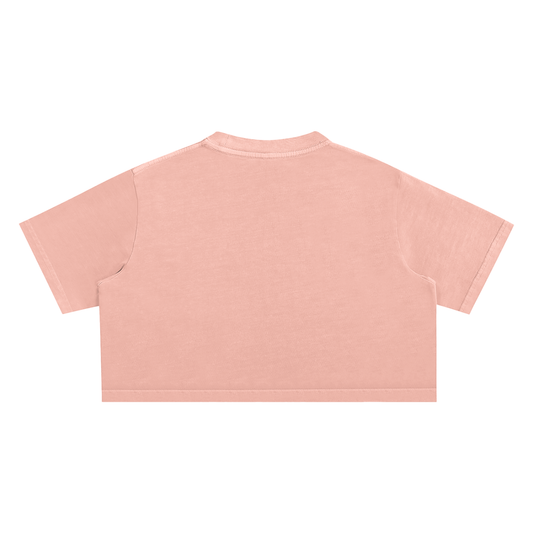
Smoochie Crop Top
Regular price $38.00 USDRegular priceUnit price per -
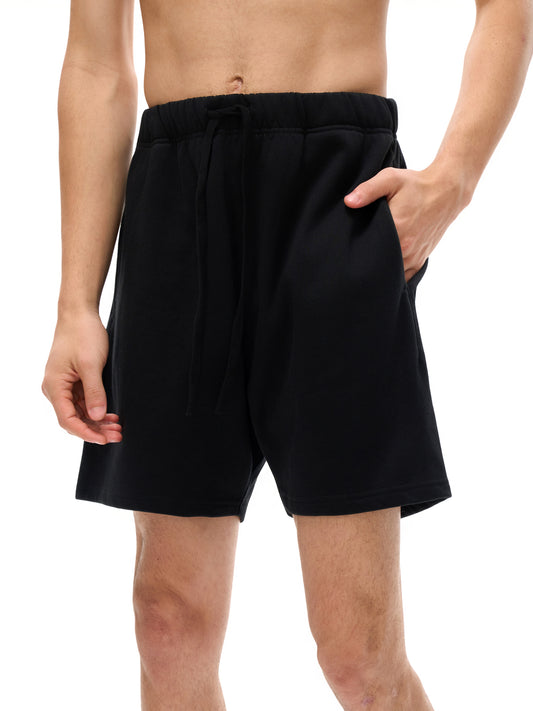
Rave Dad Cotton Shorts
Regular price $50.00 USDRegular priceUnit price per