Rave Outfits for Winter: How to Stay Warm and Still Look Good
Shop the look
-
Holy Guacamolly Boxy Tank Top
Regular price $45.00 USDRegular priceUnit price per -
House Hunny Oversized T-Shirt
Regular price $45.00 USDRegular priceUnit price per -
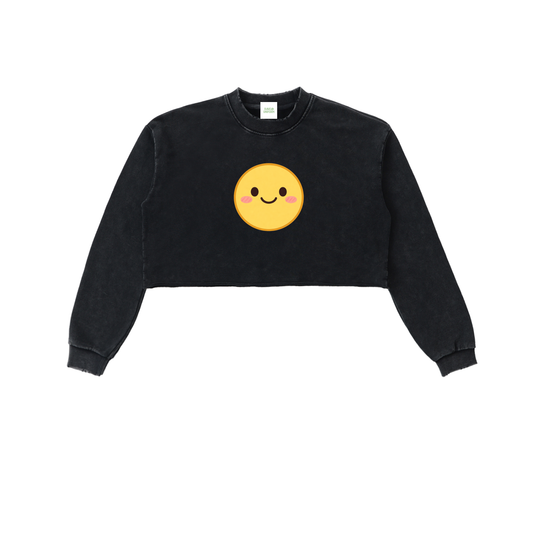
Smiley Cropped Sweatshirt
Regular price $49.95 USDRegular priceUnit price per -
Side Striped Pants
Regular price $60.00 USDRegular priceUnit price per




A good cold weather rave outfit comes down to three layers: a thin synthetic or merino base, a roomy hoodie, and a packable shell. Every layer has to come off without a fight. The walk in is freezing, the dance floor is a furnace, and the walk out is freezing again. This guide covers what to wear by day and night, what to put on your feet, how to carry it all, and four full outfits piece by piece.
Cold Weather Rave Outfit Basics: The Three-Layer Rule
Cold weather rave outfit formula: Wear a thin moisture-wicking base layer, a heavyweight hoodie, and a packable windproof shell. Each piece should come off on its own, so you can drop from three layers to one in under a minute when the room heats up.
Packed crowds throw off serious heat. Events like EDC Las Vegas regularly draw six-figure crowds every night, and anyone who has stood in the middle of that knows a body-warm field feels nothing like the parking lot. Winter versions of that same effect happen in every club and warehouse. You will be cold on the walk in and out and warm almost everywhere in between. Dress for the sweaty part and carry the cold part.
The Base Layer
Start against your skin. Skip cotton here. It soaks up sweat, then turns clammy the second you stop moving. A fitted long-sleeve in a synthetic or merino blend does the job and disappears under everything else. Black or a muted color works best because it can peek out at the wrists and neck and look intentional.
The Mid Layer
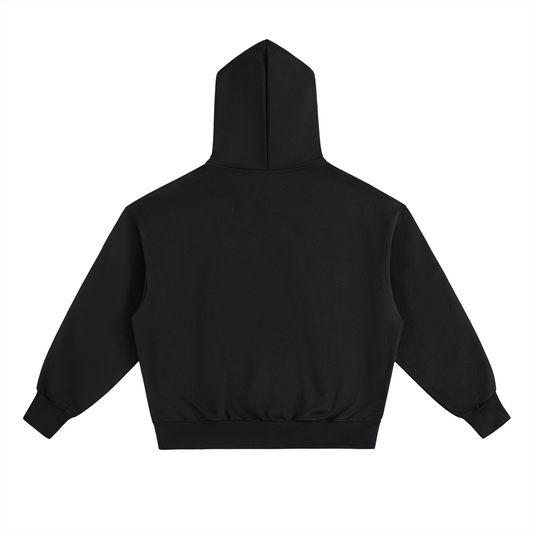
This is your hoodie, and it is your main flex. Go thick enough to hold heat but roomy enough that you can throw your arms up when the drop hits. A tight hoodie makes you feel stuck. If you are shopping, browse our hoodies and pick a roomy fit.
The Shell
You want something that blocks wind and sheds a light drizzle, then folds into almost nothing. A thin windbreaker or compact puffer beats a bulky wool coat every time. Nobody wants to guard a giant jacket for six hours. Coat and bag policies differ from event to event, so check the official FAQ before you leave the house. That decides whether your shell lives on your body or in a pocket.

How to Build a Cold Weather Rave Outfit
These five steps take you from a blank bed full of clothes to an outfit that handles the queue, the floor, and the ride home.
- Pick your base: Choose a fitted synthetic or merino long-sleeve or thermal tights. Make sure you would be fine wearing it alone for an hour.
- Add the statement piece: Put your loudest item on top of the base, like a graphic oversized tee, a jersey, or a crop top. This is the outfit people will actually see.
- Layer a hoodie and a shell: Pick a thick hoodie and a packable windbreaker, both loose enough to go on and off over everything else.
- Lock down the extremities: Choose warm socks, broken-in shoes, a beanie, thin gloves, and a gaiter, all pocket-sized.
- Run the shed test: Stand in your room and take off each layer in order. If you can end up in something you like, you are ready.
Follow those steps and you end up with an outfit that stays warm outside and still looks right when everything else is tied around your waist.

What to Wear by Day and by Night
Daytime and Early Sets
Winter festival fashion in daylight is mostly about the sun and the wind. A clear afternoon can feel mild in direct light and cold the moment you step into shade. Wear your base and a tee, and keep the hoodie tied on. Sunglasses and sunscreen still matter on a bright winter day, especially on exposed outdoor grounds where you have no cover for hours.
After Dark
Night changes everything. Temperatures drop fast once the sun goes, and sweaty skin loses heat quickly in even a light breeze. This is when the hoodie goes on, the gaiter comes up, and the shell comes out for any stretch where you are standing still, like waiting for a shuttle or a late food line. Our guide on what to wear to an EDM festival by weather breaks down the same logic across other conditions.
Indoor Rave Outfit Winter Rules
An indoor rave outfit in winter is a different problem. You freeze in the queue, then bake on the floor. Berghain is famous for its long line outside, and plenty of club nights run the same way: cold on the sidewalk, hot inside. Build the exit plan into the outfit. If the only thing under your hoodie is a bare chest, you are stuck. Wear a tee or mesh top you like, and let every layer above it come off.
Ask yourself where your stuff goes. Some venues have a coat check and some do not. Check the official FAQ or the venue page before you go, then decide how much you are carrying.

Layers by Job: A Quick Reference
| Layer | Its job | Good picks | Avoid |
|---|---|---|---|
| Base | Move sweat off skin | Synthetic or merino long-sleeve, thermal tights | Cotton, anything damp |
| Statement | The look | Oversized tee, jersey, crop top, mesh top | Anything you cannot wear alone |
| Mid | Hold heat | Heavyweight hoodie, crewneck | Tight fits, stiff zippers that dig in |
| Shell | Block wind, light rain | Thin windbreaker, compact puffer | Bulky wool coats |
| Extremities | Stop heat leaks | Beanie, thin gloves, gaiter, wool socks | Cotton ankle socks |
Footwear: You Will Be on Your Feet for Hours
Plan on standing and dancing for most of a long night, often with very little sitting. Your feet decide how the whole thing goes. Cold gets in through the soles first, and then everything else feels worse.
Socks First
Wool or synthetic socks are the move. Cotton ankle socks are not. If your feet run cold, wear a thin liner sock under a thicker pair. Leave a little room in your shoes for the extra thickness, because squeezed toes get colder, not warmer.
Shoes and Boots
Chunky sneakers with real cushioning are the safest call. Platform boots look great, but only if you have worn them for a full evening before. New boots at a long show is a rookie mistake. Break them in for a week. If rain is possible, waterproof pairs earn their keep, and the official FAQ is the place to check anything about the ground at the event.
Wide-Leg Pants, Tights, and Bottoms That Work
Here is a trick that works. Wear your usual festival shorts, then throw loose track pants or tearaway-style pants over them. Cold on the way in, shorts once the floor gets sweaty, and the pants go around your waist or into a pocket. Pick a wide leg so they come off over your shoes without a fight. Cargo pants with deep pockets do double duty because they carry your phone and your earplugs.
Skinny jeans are the enemy. They trap sweat, restrict your movement, and take forever to dry.
If you love a skirt or shorts as the main look, build underneath it: opaque thermal tights, leg warmers that bunch at the ankle, a mesh long-sleeve up top. Fishnets look great and block almost nothing, so treat them as decoration and layer real tights below.

What to Carry and How
You will not want to hold things all night. Bag rules and size limits vary by event, so check the official FAQ before packing anything. Then build your carry around what you are allowed and what you can actually keep on your body.
The Short List
- Earplugs: Bring high-fidelity ones. Winter nights tend to be indoors, where bass hits harder, and you want to still hear your ears ringing-free on the ride home.
- Water: You sweat in winter just like in summer. Cold air hides thirst, so drink before you feel it.
- Lip balm and hand cream: Dry air and gloves chew up your skin.
- A spare pair of socks: Swapping into dry socks mid-night feels like cheating.
- Phone battery: Cold drains it faster, so keep it in an inside pocket.
Stash Smart
Pockets are your best friend. A beanie, thin gloves, and a gaiter all fit in a hoodie pocket. A crossbody or belt bag keeps your hands free, but only if it is allowed. For a longer weekend, our guide to surviving a multi-day music festival covers packing in more detail.
Comfort and Chafing
Winter outfits create their own problems. Layers rub, seams dig, and sweat soaks into fabric that then sits on your skin for hours. Chafing is the quiet night-ruiner.
- Pick base layers with flat seams, and wear them inside out if the stitching bothers you.
- Put anti-chafe balm on inner thighs, underarms, and anywhere a strap sits.
- Avoid jeans and stiff fabrics for long nights.
- Change out of damp layers as soon as you can after the show.
Rub-prone spots are different for everyone. Do a test run at home: dance around your room for ten minutes in the full outfit and see what bugs you.

Camping vs Hotel: Cold Weather Differences
If your event has camping, cold nights get serious. Pack a dry set of base layers just for sleeping, because the clothes you danced in are damp. Keep your boots off the ground in your tent and your phone near your body. Check the official FAQ for what the campsite allows and provides before you commit.
Hotel stays make life easier. You can drop wet layers, shower, and head back out in fresh socks. The catch is the walk between the room and the venue, which is usually where people under-dress. Take the shell and the beanie, even if the trip is short.
Four Outfit Ideas, Piece by Piece
1. The Warehouse Techno Fit
- Black thermal long-sleeve
- Boxy graphic oversized tee over it
- Black cargo pants with deep pockets
- Chunky black sneakers and wool socks
- Thin windbreaker tied at the waist
It reads dark and minimal, which suits harder genres. Our post on how music genres shape rave streetwear explains why.
2. The Bass Music Night
- Neon mesh long-sleeve
- Cropped hoodie in a clashing color
- Wide-leg track pants over festival shorts
- Platform boots you have already broken in
- Reflective gaiter
3. The Skirt-and-Tights Look
- Opaque thermal tights with fishnets over the top
- Mini skirt
- Fitted crop top
- Cropped puffer
- Leg warmers, platform boots, and a big scarf to stuff away later
4. The Sports Jersey Fit
- Synthetic base layer in a muted color
- Oversized rave jersey
- Heavyweight zip hoodie
- Baggy track pants
- Beanie, thin gloves, and cushioned sneakers
Common First-Timer Mistakes
Most winter rave problems repeat. Wearing cotton against the skin tops the list, followed closely by a coat too bulky to carry. People also underestimate how long the walk in and out can be, and wear brand-new boots to a long show. Another trap is dressing only for the cold. Cold is the first hour, not the night.
The last mistake is skipping the research. Look at the event page and the official FAQ, then plan around what the venue allows. For the bigger picture, our what to wear to a rave guide covers the basics, and the EDC 2026 streetwear guide has more festival outfit ideas.
Pack the layers, keep the fit loud, and let the weather decide how much stays on. When you are ready to build your own, the full range is waiting at raveuniform.com.
Frequently Asked Questions
What should I wear to a winter rave?
Wear a thin thermal base, a hoodie, and a packable shell, with loose pants or tights below. This setup keeps you warm outside and lets you strip down once the dance floor heats up. Finish with warm socks, broken-in shoes, and a beanie you can pocket.
How do you stay warm at a rave without a big coat?
Stack thin layers instead of one heavy coat. A synthetic base, a thick hoodie, and a folding windbreaker trap heat well, and each piece comes off separately. Add a beanie, gloves, and a gaiter, which all fit in a pocket when the room warms.
What shoes are best for a cold weather rave?
Cushioned sneakers or broken-in boots with wool socks work best. You will be on your feet for hours, so comfort beats looks. Leave a little room for thick socks, and consider waterproof pairs if rain is possible. Check the official FAQ for site details.
Can you wear a hoodie to a rave?
Yes, a hoodie is one of the most common rave pieces, especially in cold months. Pick an oversized cut so you can move freely. Wear a tee or mesh top underneath, so you can tie the hoodie around your waist when it gets hot.
Related guides


More pieces for this look
-
Distressed Denim Jeans
Regular price $70.00 USDRegular priceUnit price per -
Eye Spy Hoodie
Regular price $80.00 USDRegular priceUnit price per -
Holy Guacamolly Sleeveless Hoodie
Regular price $65.00 USDRegular priceUnit price per -
PLUR Crewneck
Regular price $54.95 USDRegular priceUnit price per