What to Wear to a Warehouse Rave
Shop the look
-
Techno & Tequila Boxy Tank Top
Regular price $45.00 USDRegular priceUnit price per -
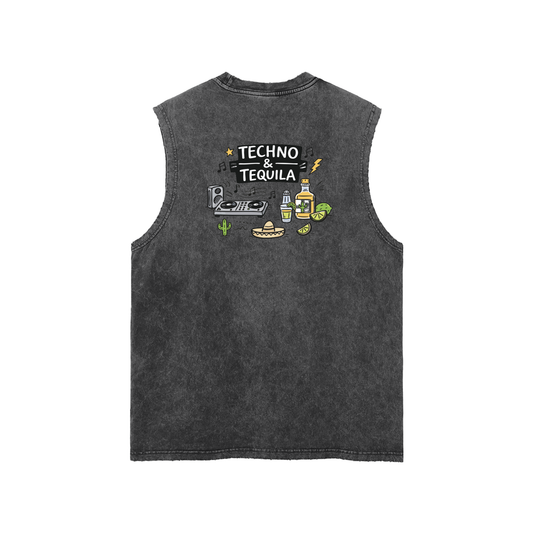
Techno & Tequila Tank Top
Regular price $40.00 USDRegular priceUnit price per -
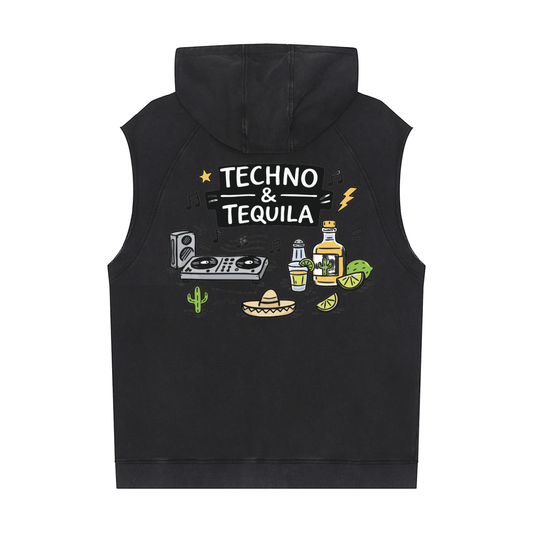
Techno & Tequila Sleeveless Hoodie
Regular price $65.00 USDRegular priceUnit price per -
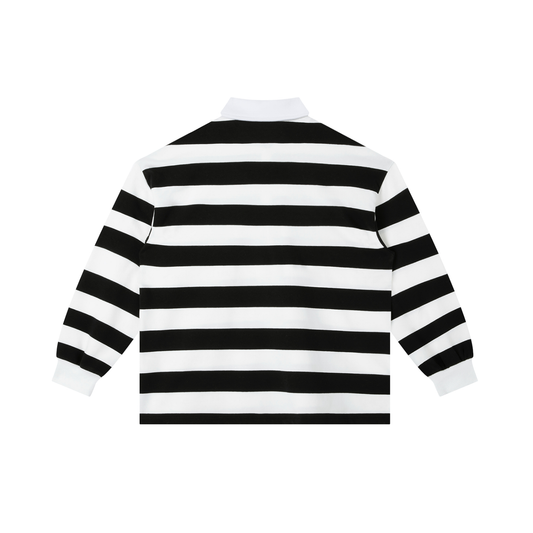
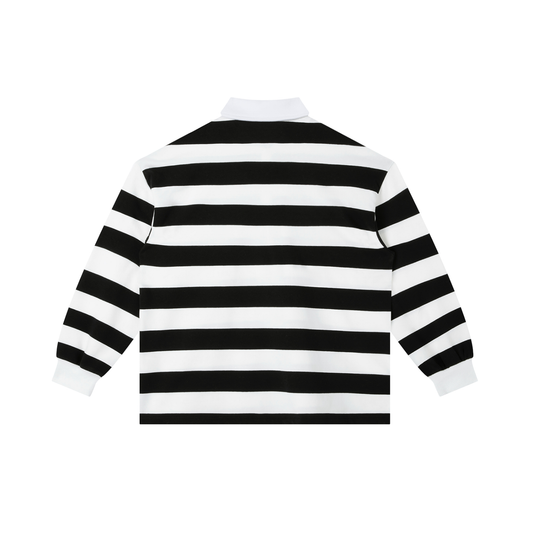
Rave Dad Stripe Polo Shirt
Regular price $60.00 USDRegular priceUnit price per




Dark rave clothing is the right call for a warehouse: black or near-black layers, breathable fabric, closed shoes you can stand in for hours, and a small bag worn on your body. That is the short answer. The rest of this post covers the details, from the walk in to the sweaty peak, with four full outfits at the end. If you want the festival version, start with our general guide to What to Wear to a Rave. This one is for rooms with no windows, heavy haze and a sound system you feel in your ribs.
Dark Rave Clothing: What Works Inside a Warehouse
Warehouse rave outfit formula: A good warehouse rave outfit is a breathable dark base layer, loose bottoms with secure pockets, cushioned closed-toe shoes, and one removable layer you can tie at the waist. Keep it to three layers at most, because a packed room with no airflow gets hot fast.
Why Dark Wins in a Dark Room
Warehouse lighting is strobes, lasers, haze and long stretches of near black. Dark clothing sits inside that picture. Sweat marks, smoke residue and spilled drinks disappear into black and charcoal. Light colors turn into a screen for every laser, which some people love. Most people at an underground night want to dance, not perform.
The scene also leans on anonymity. Berghain's all-black reputation is the famous example, and the habit spread to warehouse nights everywhere. You do not need a leather harness to belong. A heavyweight black tee and a pair of cargos reads right in almost any room. If you want to see how the sound changes the dress code, How Music Genres Shape Rave Streetwear breaks down techno, house, bass and more.
Fabric Matters More Than Color
Cotton jersey and heavyweight cotton breathe and hold up to a night of abuse. Technical wicking fabrics dry quickly and suit anyone who runs hot. Mesh helps as long as it sits over something. Thick vinyl, latex and faux leather look incredible and cook you alive, so save them for a short, cool night or skip them. Denim is heavy once it is damp. A dark pair of cargos in a lighter cotton twill beats jeans almost every time.
Scale helps explain why heat is the main enemy. Big festivals like EDC Las Vegas regularly pull six-figure crowds each night, and a lot of that scene's visual language moved into smaller rooms. A warehouse holds far fewer people, but there is no open sky, so the heat builds quickly and stays.

Day to Night: Dressing for the Whole Session
Warehouse parties can start while it is still light outside and run deep into the night. Your clothes need to handle a warm afternoon queue, a hot peak and a cooler walk out. Weather varies, rain is possible, and nights usually feel colder than afternoons. Check the forecast the day before and read the official event FAQ for entry details before you pack anything.
| Phase | What it feels like | What to wear |
|---|---|---|
| Arrival and queue | Outdoors, so sun or chill depending on the day | Hoodie or light jacket over your tee, cap or bucket hat if it is bright |
| Early in the night | Room filling up, still room to move | Layer on, bag zipped, shoes already broken in |
| Peak hours | Hot, dense, loud | Tee or crop top only, jacket tied at the waist or stashed |
| Late and leaving | Sweaty clothes meeting cold air | Dry layer back on, hood up, spare socks if you packed them |
The Layer You Should Never Skip
The most useful piece is a zip-up or an oversized crewneck you can tie around your hips. Zip-ups beat pullovers because you can open them without wrestling your head through a neck hole in a crowd. If you carry a jacket, make sure it folds small. A big puffer turns into a liability the second the room fills up.
Daytime Warehouse Parties
If the event runs through daylight, add sun protection to the plan. A hat helps in the queue, and sunscreen on your face and neck is worth the thirty seconds. Inside, the sun stops mattering and the heat takes over. For more on swinging between hot and cold conditions, What to Wear to an EDM Festival by Weather goes through it in detail.

Footwear: Plan to Be on Your Feet All Night
Footwear decides whether you stay for the closing set or leave early with sore arches. Warehouse nights are long, you are standing and moving the whole time, and your feet will swell as the night goes on. Check the official FAQ for venue details, but plan on shoes that protect your toes and cushion every step.
What Works
- Chunky boots with a cushioned sole: Ankle support and toe protection when people step on you, which they will.
- Dark trainers with real cushioning: Running-style or thick-soled sneakers are fine if they are already comfortable for hours.
- Platform sneakers: Good for height and attitude, but only if the platform is light and stable.
What Does Not
Sandals, flip-flops and anything open-toed. Flat canvas shoes with thin soles. Brand new boots that have not been worn in. Heels that you cannot dance in for hours. Break shoes in with a few long walks before the night, not during it.
Socks and Prep
Wear moisture-wicking or cotton-blend socks, and pack a spare pair if you have room. Dry socks at the end of the night feel better than they have any right to. If your shoes rub anywhere, put a blister plaster on before you leave the house instead of waiting for the damage.
What to Carry and How to Carry It
Bag rules differ from event to event, and so do rules on payment, re-entry and what you can bring in. Read the official FAQ before you pack, and assume that smaller is better. A crossbody or belt bag keeps your hands free and does not bump into strangers. A backpack in a packed room is a nuisance to everyone, including you.
The Carry List
- ID and your phone: Charged, with a low brightness setting so it survives the night.
- Ear protection: Sound in dance venues often runs well above the 85 decibel level that occupational health guidance treats as a hearing risk over a full working day. High-fidelity earplugs let you hear the music clearly and keep the ringing away the next morning.
- Water plan: Drink steadily through the night, and check the FAQ for what you can bring and where refills are available.
- Lip balm and a hair tie: Dry air and haze are rough on lips, and hair gets in the way fast.
- Tissues or a small towel: You will sweat more than you expect.
- A way home: Know your route before you go in, and keep it saved on your phone.
Pockets Are Part of the Outfit
Cargo pants earned their reputation for a reason. Zip or snap pockets keep a key, card or phone from falling out when you jump. Avoid shallow pockets on shorts and joggers, since that is how phones end up on warehouse floors.

Comfort, Chafing and Heat Management
Nobody posts about chafing, but it ends more nights than bad music does. Sweat, friction and long hours add up. Handle it before you leave the house.
- Apply anti-chafe balm to thighs, underarms and anywhere a strap or waistband sits.
- Wear fitted shorts under skirts or loose shorts to stop thigh rub.
- Pick underwear and bras in smooth, moisture-wicking fabric, and cut out scratchy tags.
- Skip heavy belts and tight waistbands. You will be bending, jumping and sitting on the floor at some point.
- Tie your hair up. Hair stuck to your neck traps heat.
Glasses wearers should consider a strap or a spare pair of contacts. Haze dries out lenses, and glasses slide down sweaty noses.
Camping or Hotel: Adjusting the Plan
Most warehouse parties are city events, so you either go home or crash in a hotel. In that case, pack one clean outfit for the next day, a pair of slides for your sore feet, and a plastic bag for the damp clothes. If the event is a multi-day affair with camping, the rules change a lot: you need clothes for sleeping, cold mornings and long stretches outdoors. Our guide on how to survive a multi-day music festival covers that side, and What to Wear to EDC 2026 shows how the outdoor version differs.
Warehouse Party Fashion Mistakes First-Timers Make
- Dressing for photos: Tight leather looks great for ten minutes and miserable by hour three.
- Wearing new shoes: Break them in before the night, not during it.
- Bringing a big bag: It gets in everyone's way and it is the first thing to get lost.
- Skipping the layer: Walking out into cold air in a soaked tee is a bad time.
- Too many dangling accessories: Chains, straps and long harness pieces snag on strangers.
- Forgetting ear protection: Ringing ears are a rite of passage nobody needs.
- Leaving the checking to last minute: Read the official FAQ before you go, not at the door.
The scene around rave fashion and rave streetwear splits on this point. Costume-heavy fits belong at a festival main stage. A warehouse rewards pieces that move and breathe.

Four Warehouse Rave Outfits, Piece by Piece
Pick one, then adjust for your own taste. Brand-new streetwear fits the scene too, and rave streetwear is built around exactly this kind of loose, practical, dark look. If you need pieces, our oversized tees and hoodies are made for it.

1. The Classic Techno Fit
- Heavyweight black oversized tee
- Black cargo pants with zip pockets
- Chunky black boots with cushioned soles
- Black zip-up hoodie tied at the waist
- Small black crossbody bag, high-fidelity earplugs inside
2. The Hot Room Fit
- Black cropped or cut-off tee in breathable cotton
- Dark loose shorts with deep pockets
- Moisture-wicking socks and cushioned dark trainers
- Light mesh over-shirt that folds small
- Belt bag worn across the chest
3. The Streetwear Layer Fit
- Washed charcoal long-sleeve under a dark graphic tee
- Wide-leg black trousers with a drawstring waist
- Platform sneakers that you have already broken in
- Black beanie for the queue, tucked in a pocket once inside
- Slim cross-body pouch, phone in a zipped pocket
4. The Day Party Into Night Fit
- Dark rave jersey or breathable sports-style top
- Black cargo shorts or lightweight cargos
- Bucket hat and sunscreen for the queue
- Cushioned trainers plus a spare pair of socks
- Packable windbreaker for when the sun drops
Every one of these works the same way: dark base, room to move, one layer you can remove. Swap colors and cuts all you want, but keep those three rules.
Dress for the Room, Then Forget About It
The best warehouse outfit is the one you stop thinking about by the second hour. Get the shoes right, keep the bag small, bring a layer, and let the room do the rest. When you are ready to build the fit, browse all festival clothing at Rave Uniform, or read The Rise of Rave Streetwear in 2026 for where the look is heading.
Frequently Asked Questions
What is dark rave clothing?
Dark rave clothing is black, charcoal and other deep-toned streetwear worn to underground events. Typical pieces include heavyweight tees, cargo pants, hoodies and boots. The look suits low light, hides sweat and haze marks, and keeps attention on the music instead of the outfit.
What should I wear to a warehouse rave?
Wear a breathable dark top, loose cargo pants or shorts, cushioned closed-toe shoes, and a layer you can tie around your waist. Add a small crossbody bag and earplugs. Check the official event FAQ for bag rules and venue details first.
Why do people wear black to raves?
People wear black to raves because it suits dark rooms, hides sweat and spills, and has long been common in underground club culture. Berghain's all-black reputation is the best-known example. It also keeps focus on the music and the crowd, not on individual outfits.
What shoes should I wear to a warehouse rave?
Wear cushioned, closed-toe shoes that you have already broken in, such as chunky boots or supportive dark trainers. Skip sandals and brand new pairs. You will be standing and dancing for hours, and people will step on your toes.
Related guides


More pieces for this look
-
Smiley Stripe Polo Shirt
Regular price $60.00 USDRegular priceUnit price per -
Smiley Heavyweight Hoodie
Regular price $80.00 USDRegular priceUnit price per -
Wide Leg Drawstring Sweatpants
Regular price $49.95 USDRegular priceUnit price per -
Striped Oversized Barrel Pants
Regular price $60.00 USDRegular priceUnit price per