

What to Wear to a Rave: Complete First-Timer's Guide (2026)
Shop the look
-
Inner Garden Oversized T-Shirt
Regular price $45.00 USDRegular priceUnit price per -
Daughter of The Moon T-Shirt
Regular price $40.00 USDRegular priceUnit price per -
Its Hot Frog Boxy Tank Top
Regular price $45.00 USDRegular priceUnit price per -
World Eater Crop Top
Regular price $38.00 USDRegular priceUnit price per


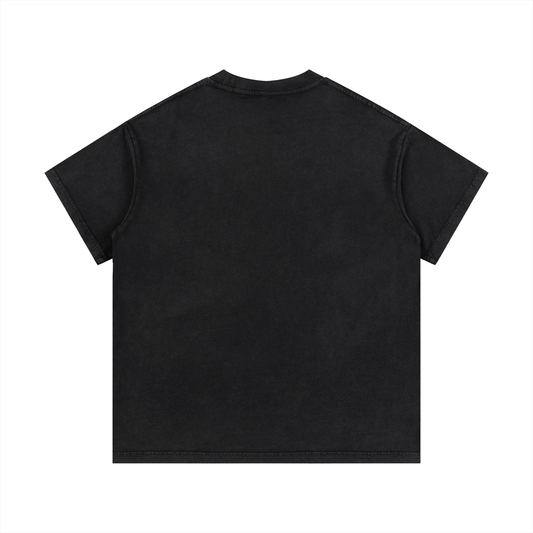


What to wear to a rave is simpler than the internet makes it look. You need a breathable top, shorts or loose pants, broken-in sneakers, a small bag, and one layer for when the temperature drops. That's the formula. The rest of this guide covers how to adapt it to your venue, your body and your night, so you spend the set dancing instead of fixing your outfit.
Your first rave is mostly about standing, jumping and sweating in a packed room or field. Events like EDC Las Vegas regularly draw six-figure crowds every night, and that many bodies makes heat. Dress for the crowd, not for the mirror.

What to Wear to a Rave: The Short Answer
First-timer rave outfit: The safest rave outfit has five parts: a breathable oversized tee or crop top, shorts or loose cargo pants, cushioned sneakers you have already worn for several hours, a small crossbody or fanny pack, and one light layer. Jeans, new shoes and heavy jackets cause most first-timer regret.
Here is the quick reference version.
| Category | Best Choice | Skip It |
|---|---|---|
| Top | Oversized tee, jersey, crop top, sleeveless hoodie | Stiff or non-breathable fabric |
| Bottom | Athletic shorts, cargo pants, joggers | Jeans, anything that digs at the waist |
| Shoes | Broken-in cushioned sneakers | New shoes, heels, flat fashion sneakers |
| Bag | Fanny pack, small crossbody, hydration pack | Anything you will need to guard or keep adjusting |
| Sun | Sunglasses, hat, sunscreen | Hoping for cloud cover |
| Layer | Thin hoodie or zip-up you can tie around your waist | Bulky coats |
| Extras | Earplugs, light accessories | Expensive or dangly jewelry |
There Is No Dress Code, But There Are Vibes
Nobody checks your outfit at the door of a rave in the way a lounge might. Full LED costumes sit next to plain black tees and shorts, and both are fine. Still, the type of event nudges the look.
Big Outdoor Festivals
Ultra and EDC lean colorful and loud. Think bright fabrics, accessories, kandi and fun details. You can match that energy or ignore it and wear a clean oversized fit. Both blend in.
Warehouse and Club Nights
Underground techno and house nights tend toward dark, practical streetwear. Black tees, cargo pants and sneakers you can move in all night. Plenty of people dress to disappear into the room, and that is part of the appeal.
Bass and Hard Music Events
Bass shows often mix both worlds, with a lot of jerseys, athletic shapes and graphic tees. How the music shapes the clothes is worth a read before you shop, so check out how music genres shape rave streetwear. If you're still working out the difference between the styles, rave fashion vs rave streetwear breaks it down.

Dress for the Whole Day, Then the Whole Night
A lot of events run from afternoon into late night. Your outfit has to survive both halves, and the two halves feel completely different.
Daytime: Sun and Sweat
Afternoon sets are about airflow and sun protection. Pick light fabric, a loose fit and a hat. Sunglasses matter more than you expect, since squinting for hours gives you a headache before the headliner even starts. Put sunscreen on before you leave and again when you can. A shoulder or the back of your neck burns fast when you're dancing and not paying attention.
Night: Cooler Air, Same Heat in the Crowd
Once the sun drops, open spaces cool down, but the middle of a crowd stays warm. That split is the problem. You want to be comfortable standing near the barrier, in the thick of the pit and on the walk back to your car or bed. A thin layer solves all three. Tie it around your waist when you're moving and put it on when you aren't.
Layers and Weather in General Terms
Warm afternoons, cooler nights and the chance of rain are normal at outdoor events. A packable rain layer takes almost no space, and a hoodie covers most of the rest. Check the forecast the day before and again the morning of. For a season-by-season plan, what to wear to an EDM festival by weather covers each condition in detail. If your event is indoors, the room might run warm or cold, so check the official FAQ and the venue notes for anything specific.

Shoes: The Decision That Makes or Breaks Your Night
Nothing wrecks a first rave faster than bad shoes. You will be standing and moving for a long stretch, and your feet take every minute of it.
Rave shoe rule: Wear sneakers with thick cushioning and good arch support that you have already worn for at least a few hours of walking. Brand-new shoes cause blisters that can end a night early, no matter how good the lineup is.
What to Look For
- Cushioning: A thick midsole absorbs the constant impact of jumping.
- Closed toe: Crowds step on feet. Sandals leave your toes exposed.
- Grip: Spilled drinks and dust make surfaces slick. Check the official event FAQ for what the ground will be like.
- Dark or washable color: White sneakers are brave. They will not stay white.
Socks Count Too
Moisture-wicking socks keep blisters away. Cotton holds sweat and rubs. Bring a spare pair if you can, because dry socks late in the night feel amazing.
What to Carry and How to Carry It
The less you hold, the more you dance. Bag rules differ for every event, so check the official FAQ for size limits and anything that is not allowed before you pack. Never assume.
The Bag
A fanny pack or small crossbody sits against your body and stays out of the way. A hydration pack is useful for hot daytime events if the event allows one. Skip anything that swings, since it hits people and gets pulled in a crowd.
The Short Carry List
- ID and your ticket (screenshot it in case your signal drops)
- Phone and a small charger if you can bring one
- Earplugs
- Sunscreen and lip balm
- A few basics for your feet and skin, like blister patches
- A water bottle, based on what the event allows
Ear Protection
Bass at a rave is loud for hours. Earplugs made for music cut volume without turning everything into mud, and they are cheap. Ringing after a show is a warning sign. Put them in before the first set, not after your ears already hurt.
Hydration
Drink water before you arrive, and keep sipping through the day. Sweating, sun and dancing add up quickly. Look for water stations and confirm in the official FAQ what you can bring in.

Comfort and Chafing: The Part Nobody Talks About
Skin rubbing against fabric for hours ruins a night as fast as bad shoes do. It is also easy to prevent.
- Inner thighs: Use an anti-chafe balm, or wear fitted athletic shorts under looser ones.
- Seams and tags: Cut them out or choose tagless pieces.
- Bra bands and straps: Pick a supportive one you have already worn for long stretches.
- Waistbands: Anything stiff or tight will dig in once you start moving. Choose an elastic or drawstring waist.
- Feet: Blister patches on known hot spots before the night begins.
Fabric matters here. Light, soft, stretchy materials move with you. Heavy denim does not, which is why jeans lose almost every time.
Camping vs Hotel: Your Outfit Plan Changes
Camping
Camping means you carry your wardrobe in one bag and sleep in whatever happens to be clean. Pack fewer pieces that mix and match, extra socks, a warm layer for mornings and a rain layer. Dust and dirt are part of the deal, so wear things you do not mind getting rough.
Hotel or Rental
A hotel gives you a reset. You can change between a day outfit and a night outfit, shower, restock your bag and leave extras behind. That means you can bring a bit more variety, but keep the carry light once you are at the venue. For multi-day pacing, the guide on how to survive a multi-day music festival has the full plan.
How to Build Your Rave Outfit
These steps walk you through choosing and testing an outfit before the event so there are no surprises on the day.
- Check the Event Details: Read the official FAQ, the forecast and the venue type (indoor, outdoor, camping). This tells you which layers and bag you can use.
- Pick Your Shoes First: Choose cushioned sneakers you have already broken in, and build the outfit around them.
- Choose Breathable Pieces: Pick a loose top and shorts or cargo pants in light fabric. Skip anything that digs or traps heat.
- Add One Layer: Bring a thin hoodie or zip-up that ties around your waist. If rain is possible, add a packable shell.
- Pack Your Small Bag: Load ID, ticket, phone, earplugs, sunscreen and blister patches. Leave out everything you would hate to lose.
- Do a Test Run: Wear the full outfit at home, dance in it for twenty minutes and walk around the block. Fix whatever rubs, slips or bunches.
Follow these six steps and you walk in with an outfit that has already been tested for comfort, weather and movement.
Four Outfit Ideas, Piece by Piece
1. The Warehouse Night
- Black oversized tee
- Black cargo pants with a relaxed fit
- Dark cushioned sneakers and moisture-wicking socks
- Small crossbody bag for phone and ID
- Earplugs in the front pocket
Dark, comfortable and built for hours on the floor. Our oversized tees are made for exactly this kind of night.
2. The Daytime Festival Look
- Rave jersey in a breathable fabric
- Athletic or festival shorts
- Bucket hat and sunglasses
- Cushioned sneakers
- Hydration pack or fanny pack, plus sunscreen applied before you leave
Light, sun-aware and easy to move in. Add a thin hoodie in your bag for after sunset.
3. The Crop Top Set
- Crop top in a stretchy, breathable fabric
- High-waisted athletic shorts with fitted shorts underneath for chafe protection
- A supportive bra or top you have already tested
- Broken-in sneakers
- Fanny pack and a light zip-up
Cute without compromising movement. The fitted layer underneath is what keeps it comfortable at hour five.
4. The Cold Night Outdoor Setup
- Long-sleeve base layer
- Hoodie on top, tied or worn depending on the crowd
- Joggers or cargo pants
- Thick socks and sturdy sneakers
- Beanie
Built for a night when the air cools down. When the crowd heats you up, the hoodie comes off and the base layer handles the rest.

Common First-Timer Mistakes
- Wearing new shoes. Blisters show up fast. Break them in first.
- Overpacking. A heavy bag becomes a chore. Carry what you will use.
- Choosing looks over movement. If you cannot jump in it, you will regret it by the second set.
- Skipping sun protection. Sunburn at a daytime festival is common and avoidable.
- Forgetting earplugs. Your hearing does not grow back.
- Wearing jeans. They trap heat and rub. Pick shorts, joggers or cargos.
- Ignoring the official FAQ. Bag rules, entry details and prohibited items vary by event. Read it before you pack.
If you want to see where the whole look is going, the rise of rave streetwear in 2026 explains why relaxed, practical fits keep winning. For a specific event, see what to wear to EDC 2026. And if you are new to the term, what is rave streetwear is a good primer.
Ready to build your fit? Browse the full lineup at raveuniform.com, including hoodies for the layer you will be glad you packed.
Frequently Asked Questions
What should I wear to a rave?
Wear a breathable top, shorts or loose pants, and broken-in sneakers. Bring a thin layer for cooler hours and keep your bag small. Pick comfort first, then add color, a hat or accessories that make the outfit yours.
Can you wear jeans to a rave?
Jeans are a poor choice for a rave. They trap heat, restrict movement and rub after hours of dancing. Athletic shorts, joggers or cargo pants breathe better and give you the freedom to jump, spin and move all night.
What shoes should I wear to a rave?
Cushioned sneakers you have already broken in work best. Look for arch support, a closed toe and decent grip. Pair them with moisture-wicking socks, since new shoes and cotton socks are the fastest route to blisters.
What should a girl wear to her first rave?
Choose a breathable crop top or oversized tee, comfortable shorts or cargo pants, and cushioned sneakers. Add a supportive layer underneath, a small fanny pack and a light zip-up. Test the full outfit at home before the night.


