Why Sustainable Festival Fashion Is On The Rise
Shop the look
-
Tropical Island Button Up
Regular price $59.95 USDRegular priceUnit price per -
Dolla Dots Button Up
Regular price $59.95 USDRegular priceUnit price per -
Capri Sun Active Shorts
Regular price $49.95 USDRegular priceUnit price per -
Constellation Active Shorts
Regular price $49.95 USDRegular priceUnit price per

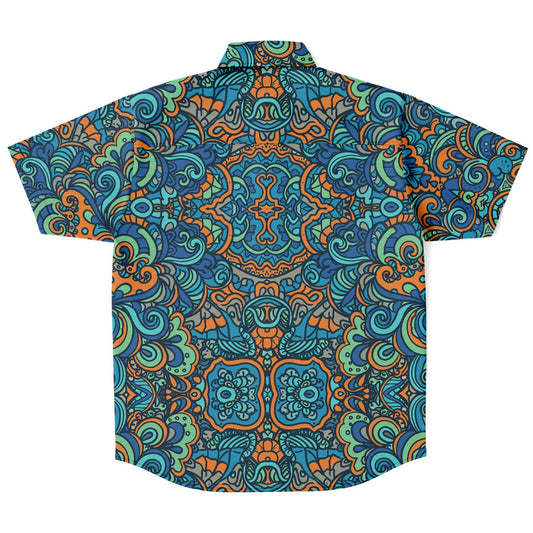

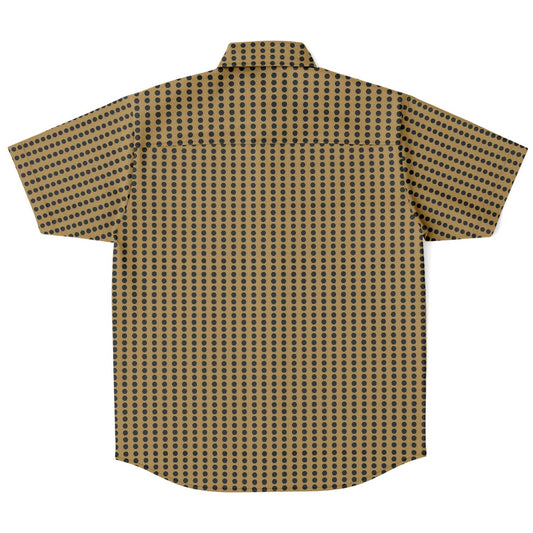

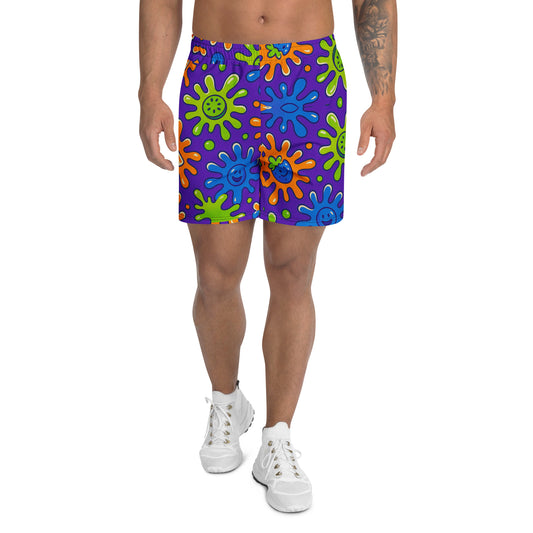

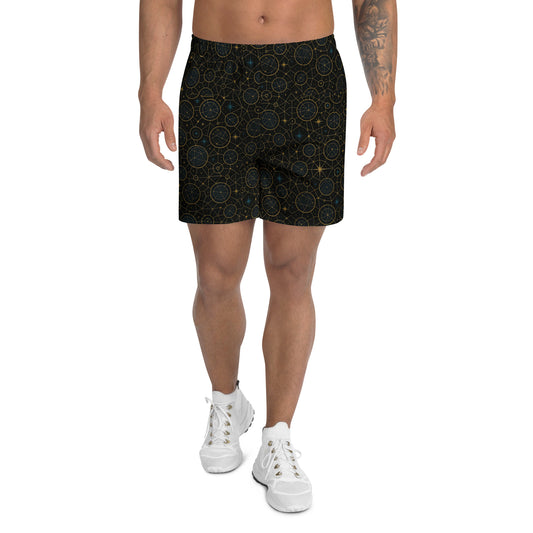
Sustainable festival fashion is on the rise because ravers are tired of fits that die after one weekend. Breathable mesh panel clothing sits right in the middle of that shift. It vents heat where you sweat, can be made from recycled polyester, and survives the next festival too. This festival wear guide covers why it's happening and exactly how to dress for it.
The short version: buy fewer pieces, pick fabrics that work hard, and rewear everything. The longer version pairs well with The Rise of Rave Streetwear in 2026 if you want the bigger cultural picture.

Why Sustainable Festival Fashion Is Growing
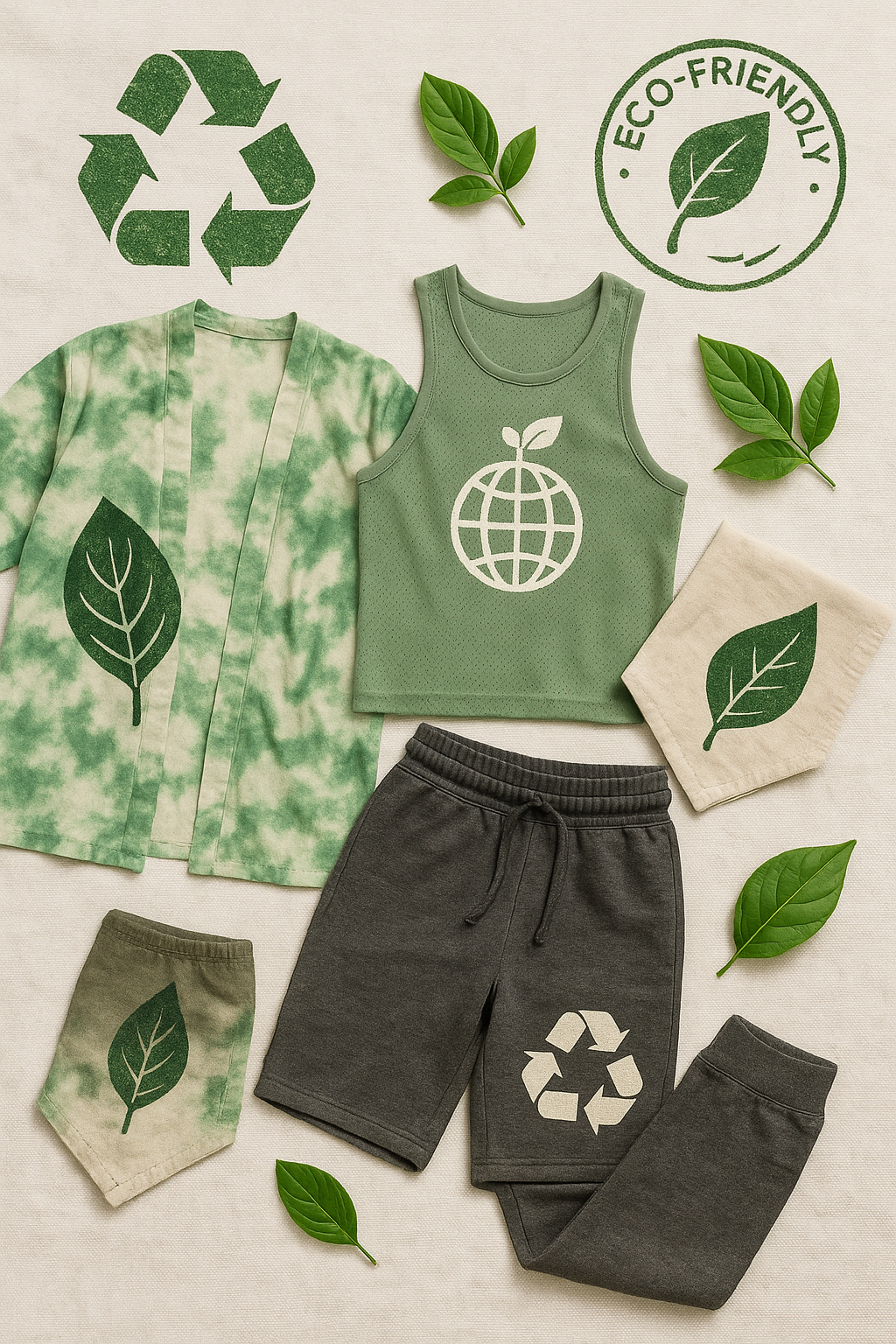
Sustainable festival fashion: Sustainable festival fashion is clothing made from lower-impact materials, such as recycled polyester made from post-consumer plastic or organic cotton, and built to last across many events instead of one weekend. Breathable mesh panel clothing fits the idea because ventilated panels let a single piece cover a warm afternoon set and a cooler night set.
The Crowd Changed
Festivals are enormous now. EDC Las Vegas draws six-figure crowds every night, and a crowd that size leaves behind a lot of discarded clothing, glow gear and plastic. Younger ravers see that mess and react to it. Ultra has run its Mission: Home sustainability program since 2019, and EDC has run recycling and water-refill programs, so attendees expect the brands around them to care too. Polyester is also the most widely used fiber in clothing worldwide, which is why recycled versions matter so much.
Fabric Tech Caught Up
A few years ago, eco-friendly gear meant scratchy, boring and overpriced. Now recycled polyester, organic cotton, four-way stretch and water-based inks are normal. Of all the EDM apparel trends floating around, this is the one I'd bet on lasting. It fixes real problems like heat and chafing, so people keep buying it after the hype dies. For the style side, Rave Fashion vs Rave Streetwear explains where the culture is heading.
Breathable Mesh Panel Clothing: What Works and What Doesn't
Panels beat full mesh for most people. Full mesh with no lining gets cold after dark and snags on every zipper in the crowd. Panels give you airflow zones at the back, underarms, sides or sleeves while the rest of the piece keeps coverage and shape. That's the sweet spot for breathable rave gear.
Know Your Fabrics
| Fabric | What it does | Best for | Watch out for |
|---|---|---|---|
| Recycled polyester mesh | Dries fast, moves air | Peak heat, hard dancing | Holds odor, wash after wearing |
| Organic cotton jersey | Soft, absorbs sweat | Cooler nights, base layers | Slow to dry once soaked |
| Four-way stretch blends | Moves with your body | Shorts, tanks, bike shorts | Pilling if machine washed hot |
| Water-based ink prints | Softer feel, lower-impact production | Tees and hoodies | Cracking under a hot iron or dryer |
How to Spot a Good Piece
Read the fiber tag first. Then check where the mesh sits: back and underarms are the useful spots. Hold the mesh up to the light. A tighter weave resists snags better than a loose net. Flat seams matter too, because a ridge of stitching rubbing your ribs for six hours turns into a real problem.

What to Wear by Day and by Night
Daytime: Beat the Sun
Sun is the main enemy at a daytime set. Go for a mesh panel tank or tee, stretch shorts, a hat with a brim, and sunglasses. Light colors reflect heat, but they show dust and sweat fast, so mid-tones and black with mesh zones are the practical pick. Sunscreen goes on before you leave and gets reapplied. Your shoulders will thank you at hour five.
Nighttime: Plan for the Drop in Temperature
Nights usually run cooler than afternoons, and a sweaty shirt turns cold fast once you stop moving. Pack a hoodie or light jacket you can tie around your waist, plus a packable shell because rain is possible. Our guide to what to wear to an EDM festival by weather breaks the layers down in more detail. Check the forecast right before you pack, since conditions shift by location and season.
Footwear and Time on Your Feet
Expect many hours standing, walking between stages and dancing. That's a long day for your feet. Wear sneakers you've already broken in, with real cushioning, and bring moisture-wicking socks. A spare pair for night is a cheap luxury. Skip brand-new boots and tall platforms unless you've danced in them for hours. Check the official festival FAQ for anything specific about footwear or terrain before you go.
What to Carry and How
Keep it light and keep it close. A crossbody bag or hip pack worn in front stays out of the way and out of reach of sticky fingers. Bag size limits, water policies and payment methods differ from event to event, so confirm all of them in the official FAQ first.
- Hydration: A reusable bottle, if the event allows one. Drink before you feel thirsty.
- Sun protection: Sunscreen, sunglasses and a brimmed hat or bucket hat.
- Ear protection: High-fidelity earplugs. Speakers at big festivals are loud, and ringing ears the next morning are a warning sign.
- Power: A small portable charger and a short cable.
- Comfort kit: Anti-chafe balm, a few bandages, tissues and a small pack of wipes.
- Layer: A packable shell or light jacket that fits in your bag.

Comfort, Chafing, and Where You're Sleeping
Stop Chafing Before It Starts
Chafing ruins more festival days than bad sets do. Sweat plus friction plus hours equals raw skin. Wear fitted stretch shorts or bike shorts under looser pieces, apply balm to inner thighs, underarms and anywhere a strap sits, and choose flat seams. Change out of damp clothes when you can. Dry skin does not rub raw.
Camping vs Hotel
Camping means you carry everything and nothing fully dries. Pack fewer pieces that mix and match, keep sweaty clothes in a separate bag, and bring warmer layers than you think you need for the morning. A hotel lets you shower, rinse a tee in the sink and hang it overnight, so you can pack lighter and rewear more. Either way, How to Survive a Multi-Day Music Festival has the packing logic for longer weekends.
Eco-Friendly Festival Outfits and Festival Accessory Upcycling
The cheapest sustainable move is using what you already own. Festival accessory upcycling costs almost nothing and gives your outfit a story.
- Thread old kandi onto bag straps, zipper pulls or belt loops.
- Turn past wristbands into keychains or bag charms.
- Cut a worn-out tee into a tie-on bandana or hair wrap.
- Swap hardware, patches and pins from last year's pieces onto this year's.
Care matters as much as buying. Wash cold, hang dry, and let a piece rest between wears so the fabric recovers. Three outfits rotated across a three-day festival will outlast one outfit worn into the ground. Treat that as the real eco-friendly festival outfits strategy.

Four Outfit Ideas, Piece by Piece
1. Hot Day on the Main Stage
- Breathable mesh panel tank with ventilated back
- High-rise stretch shorts
- Bucket hat and sunglasses
- Broken-in cushioned sneakers with wicking socks
- Hip pack with water, sunscreen, earplugs
2. Dark Warehouse Night
- Black cargo pants with deep pockets
- Fitted mesh panel long sleeve
- A hoodie for the cooler hours
- Low-profile black sneakers
- Small crossbody bag worn in front
It's the all-black, no-fuss look you see in Berghain queue photos, only with proper airflow.
3. Camping Day to Night
- Oversized tee, like our oversized tees
- Bike shorts underneath to stop chafing
- Leggings or joggers for the evening swap
- Packable shell for rain
- Sturdy shoes plus a dry spare pair
4. Upcycled Bass Night
- Jersey-style top with mesh side panels
- Cargo shorts with a kandi-covered belt loop
- Beanie for later
- Bag charms made from old wristbands
- Platforms only if you've already danced in them
For genre-specific direction, How Music Genres Shape Rave Streetwear helps you match the fit to the lineup.

Common First-Timer Mistakes
- Wearing new shoes. Blisters by midday. Break them in first.
- Packing one big outfit. Plan pieces that mix, not a single look.
- Going full mesh. It looks great and feels cold at night.
- Skipping earplugs. You'll regret it the next morning.
- Ignoring the forecast. Bring a layer and a rain option.
- Not reading the official FAQ. Bag rules, water and entry details change per event.
- Machine drying everything. Heat kills stretch and cracks prints.
If you're building a wardrobe from scratch, What to Wear to a Rave and the EDC streetwear guide are good next reads.
Wear It More, Buy It Less
The best sustainable fit is the one you wear ten times. Choose breathable mesh panel clothing in durable fabrics, care for it properly, and rewear it until the memories outweigh the closet. Ready to build yours? Browse the full range at raveuniform.com.
Frequently Asked Questions
What is breathable mesh panel clothing?
Breathable mesh panel clothing uses open-weave fabric zones in high-sweat areas like the back, sides, and underarms. The panels move air and release heat while solid fabric elsewhere keeps coverage, structure, and warmth. It suits dancing, hot crowds, and long festival days where one piece has to do plenty.
Is mesh clothing good for raves?
Yes, mesh panels suit raves because they vent heat during hours of dancing. Pick panels over full mesh for better coverage, fewer snags, and more warmth when the night cools. Pair them with a hoodie you can tie around your waist, and wash after wear since synthetic fabrics hold sweat odor.
How do you wash mesh panel clothing?
Wash mesh panel clothing cold, inside out, on a gentle cycle or by hand. Hang it to dry instead of using a dryer, because heat damages stretch fibers and cracks prints. Skip fabric softener, which coats synthetic fibers and cuts how well they wick moisture.
Can you wear mesh panel clothing when it's cold?
Yes, as a layer. Mesh panels breathe, so they work well under a hoodie or jacket for cooler nights. Wear a moisture-wicking base, add a warm outer layer, and avoid full mesh alone after dark. Check the forecast and the official festival FAQ before packing.
Related guides


More pieces for this look
-
Bass Bunny Crop Top
Regular price $38.00 USDRegular priceUnit price per -
Born To Rave Crop Top
Regular price $38.00 USDRegular priceUnit price per -
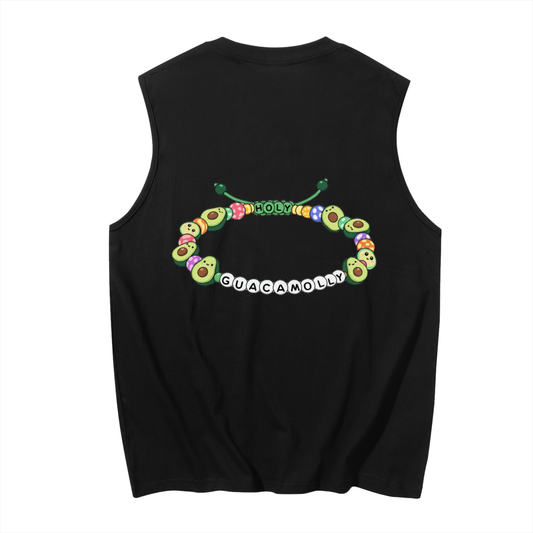
Holy Guacamolly Muscle Top
Regular price $40.00 USDRegular priceUnit price per -
Vinyl Love Sleeveless Hoodie
Regular price $65.00 USDRegular priceUnit price per