Drum and Bass vs Jungle: How to Tell Them Apart
Shop the look
-
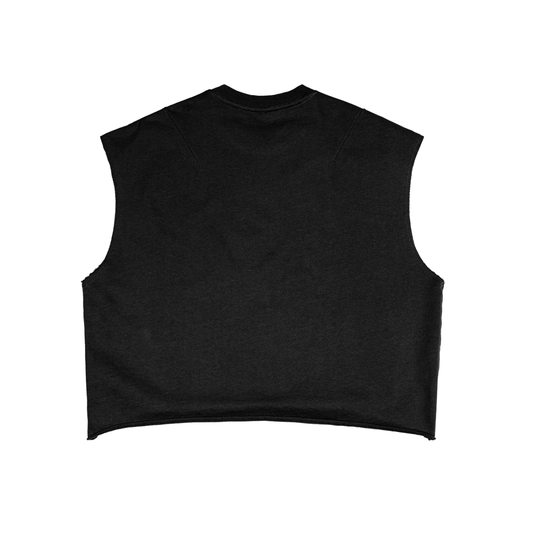
I Like Bass Boxy Tank Top
Regular price $45.00 USDRegular priceUnit price per -
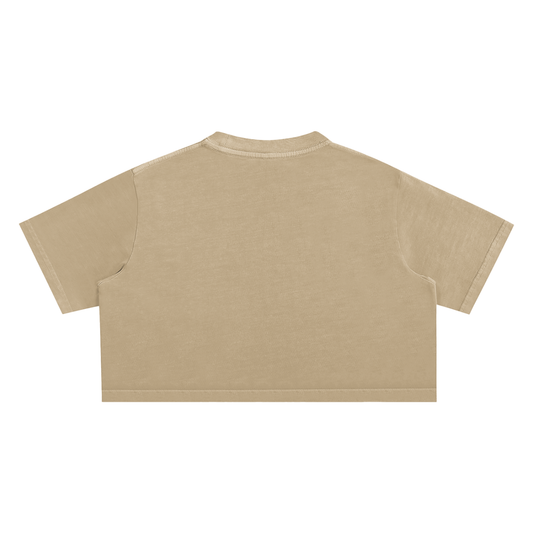
Bass Bunny Crop Top
Regular price $38.00 USDRegular priceUnit price per -
Bass Bunny Oversized Vintage T-Shirt
Regular price $45.00 USDRegular priceUnit price per -
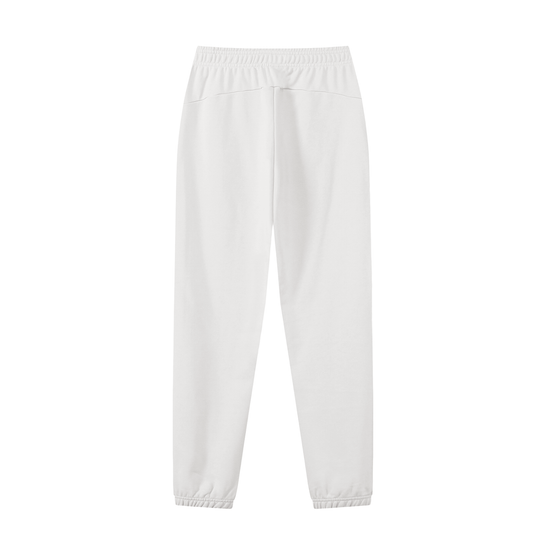
Bass Love Sweatpants
Regular price $60.00 USDRegular priceUnit price per




Jungle vs drum and bass. People mix them up constantly, and honestly it makes sense. They're related, they overlap in history, and plenty of DJs play both in the same set. But they are not the same thing. If you've ever stood at a rave wondering what you're actually listening to, this guide breaks it down properly.
Jungle vs drum and bass, defined: Jungle is a UK electronic music genre that emerged in the early 1990s, built on heavily chopped breakbeats, deep sub-bass, ragga vocals, and influences from reggae, dancehall, and hip-hop. Drum and bass evolved from jungle around 1994 to 1995, keeping the fast breakbeats but stripping out many of the reggae influences in favour of a cleaner, harder, more streamlined sound. Both run at tempos between 160 and 180 BPM.
Where It All Started
London, early nineties. The rave scene was fracturing. What had been a relatively unified sound started splintering into harder, faster sub-genres. Jungle came out of that moment. It took the breakbeat hardcore sound that was already emerging and pushed it somewhere darker and more rhythmically complex.
The early jungle sound was chaotic in the best way. Producers were cutting up drum breaks, pitching them down, layering them against heavy basslines and reggae samples. MC vocals over choppy breakbeats became a signature. Artists and collectives operating out of East London pirate radio stations helped spread the sound before it had any mainstream recognition at all.
Drum and bass grew out of jungle, but it started moving in a different direction around the mid-nineties. The reggae and dancehall elements got dialled back. The production became more precise. Labels started refining what the genre could sound like, and by the late nineties, drum and bass had its own distinct identity with its own sub-genres and dedicated club nights. Mixmag has covered this lineage extensively if you want to go deep on the history.

The Real Difference Between Jungle and DnB
Both genres sit in that 160 to 180 BPM range. That's where the similarities start to end.

Breakbeats and Rhythm
Jungle breaks are choppy, syncopated, and busy. Producers would take a classic break like the Amen break and cut it up in ways that felt almost unpredictable. The rhythm section was the centrepiece. DnB kept the fast breakbeat structure but tended to smooth things out. The drums hit harder and often feel more locked in, less jagged.
Bass Lines
Jungle leaned into reggae-influenced sub-bass. Long, rolling, almost melodic bass lines that gave tracks a heavy, physical feeling on a good sound system. DnB bass lines vary more wildly across sub-genres. Liquid DnB has warm, rounded bass. Neurofunk has distorted, almost mechanical bass. Neither of those sounds much like classic jungle.
Vocals and Samples
This is probably the easiest way to tell them apart. Jungle tracks regularly feature ragga toasting, dancehall vocal chops, reggae samples, and MC-style delivery. That cultural influence runs through the DNA of the genre. DnB can have vocals too, especially in liquid or soulful sub-genres, but the reggae and dancehall element is largely absent from most modern DnB.
Tempo Feel
Even at the same BPM, jungle and DnB feel different. Jungle can feel rolling and heavy, almost swung. DnB often feels more driving and forward. This is partly production technique and partly just the intent behind how the genres developed.
Understanding how genres shape the entire culture around them, from the music to how people dress on a night out, is something worth paying attention to. The connection between music genres and rave streetwear styles runs deeper than most people realise.
DnB Subgenres You Should Know
This is where drum and bass gets complicated. Once you understand the difference between jungle and DnB, the next layer is the fact that DnB has fragmented into a serious number of sub-genres. Here are the main ones:
- Liquid DnB: Melodic, emotional, cleaner production. Crowd favourite at festival stages. Artists like Logistics and Calibre sit in this territory.
- Neurofunk: Dark, technical, robotic basslines and complex drum programming. Completely different vibe from liquid. Ed Rush and Optical were influential in defining this sound.
- Jump Up: Bouncy, fun, crowd-pleasing. Built for energy on a dance floor. Divides opinion among heads who prefer more serious DnB.
- Rollers: Smooth, hypnotic, DJ-focused. Think long sets where the groove takes over. Close to jungle in feel but without the reggae elements.
- Techstep: Industrial, hard, dystopian. Emerged in the late nineties. Heavier and more aggressive than most DnB that followed it.
Jungle has its own internal variations too, but the genre stayed closer to its roots. Modern jungle revival artists are deliberately reaching back to that early nineties sound rather than evolving it into something else.
How to Identify Jungle vs Drum and Bass When You're Listening
You can train your ear faster than you think. These steps cover the key things to listen for when a track comes on and you're not sure which side of the line it falls on.
- Check the Vocal Content: If you hear ragga toasting, dancehall samples, or reggae vocal chops, lean toward jungle. That influence is a strong identifier that DnB moved away from.
- Feel the Break: Listen to how the drums are cut. Jungle breaks tend to feel choppier and more syncopated. DnB breaks often feel harder and more precise, even when they're complex.
- Follow the Bass Line: Jungle bass lines often roll and breathe in a way that feels influenced by sound system culture. DnB bass lines vary more depending on sub-genre, from warm and melodic to distorted and mechanical.
- Notice the Samples: Jungle tracks frequently sample reggae, dancehall, hip-hop, and even soul or jazz. DnB samples more selectively and the cultural reference points are usually different.
- Read the Context: Where is this being played? A dedicated jungle night at a smaller venue, a pirate radio set, a dark warehouse event. that context often confirms the genre. DnB gets played at massive events including dedicated festival stages at events like EDC and Lost Lands.
Get a few listens under your belt across both genres and you'll start categorising tracks instinctively.

The Culture Around Each Genre
Jungle and DnB don't just sound different. They carry different cultural identities, and those identities show up in how the crowds look and what spaces the music gets played in.
Jungle has always had deep roots in Black British culture, sound system culture, and the DIY underground. It resists commercialisation. The revival scene that's been building over the last few years deliberately operates on those same terms. Smaller venues, dedicated heads, an emphasis on authenticity. If you want to understand the scene before you show up, the rise of rave streetwear in 2026 covers how underground genres are shaping how people dress right now.
DnB scaled up significantly from the late nineties onward. Events like Hospitality at Alexandra Palace pull serious numbers. Ram Records built a globally recognised brand. DnB has festival stages, superstar DJs, and enough commercial presence to sit alongside house and techno in mainstream dance music conversation. That doesn't mean it sold out. It just means it grew into something bigger.
Both scenes have their own fashion codes, though neither is as prescriptive as, say, the all-black minimalism of techno spaces. Check the guide on what to wear to a techno club night if you want to see how different genre culture can be. For jungle and DnB, the vibe leans more streetwear. Oversized fits, cargo pants, oversized tees, practical and comfortable clothing that lets you actually move. The music is physical, and the crowd dresses accordingly.
Why the Jungle Revival Matters Right Now
Jungle never fully went away. But the last few years have seen a genuine resurgence, with producers actively reclaiming the sound and a younger generation discovering it through mixes, Boiler Room sets, and dedicated events. This isn't nostalgia tourism. Artists are making new jungle that sounds genuinely rooted in the original approach while bringing their own take to the production.

For anyone who got into DnB first, exploring jungle is worth the time. The music hits differently on a proper sound system. The low end is something you feel before you process it consciously. If you've only experienced it through a playlist on headphones, find a night and go.
Understanding the difference between jungle and DnB also makes you a better listener across the board. These genres didn't develop in isolation. They're part of a longer lineage that connects to techno, to grime, to garage. The more you know about where sounds came from, the more you hear in every track.
For your next night out at a jungle or DnB event, knowing what to wear to a rave matters more than people admit. Comfort and style aren't mutually exclusive, and the right kit makes a long night significantly better. Browse what Rave Uniform has at raveuniform.com and gear up properly.
Frequently Asked Questions
Is jungle the same as drum and bass?
Jungle and drum and bass are not the same genre. Jungle came first, emerging in the early 1990s with heavy reggae and dancehall influences, chopped breakbeats, and ragga vocals. Drum and bass developed from jungle around 1994 to 1995, keeping the fast BPM but dropping most of those cultural influences and developing into its own distinct genre with multiple sub-styles.
What BPM is jungle music?
Jungle music runs between 160 and 180 BPM, the same range as drum and bass. Tempo alone won't tell you which genre you're hearing. The rhythm feel, bass line character, and vocal samples are better indicators than speed.
Why did jungle turn into drum and bass?
Jungle didn't simply transform into drum and bass. DnB emerged as a parallel development, with producers and labels choosing to strip back the reggae and dancehall elements and focus on a harder, cleaner sound. Jungle continued alongside it, though it had less mainstream visibility until the recent revival.
What is jungle music influenced by?
Jungle draws from reggae, dancehall, ragga, hip-hop, soul, and early UK rave culture. The sound system culture of Black British communities in London was a direct influence on how the genre developed rhythmically and sonically. That heritage is still present in modern jungle revival production.
Related guides


More pieces for this look
-
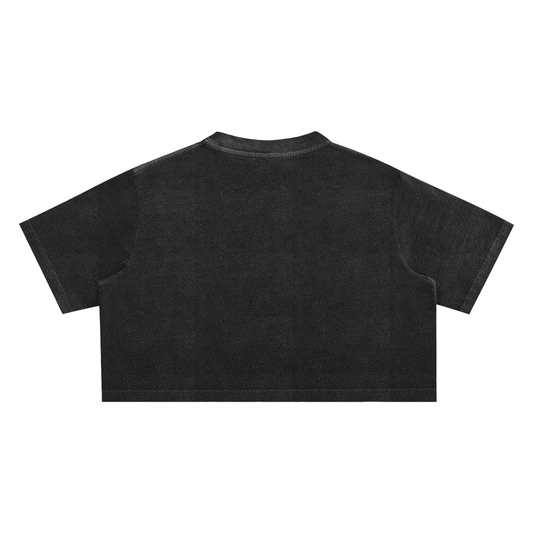
Bass Lover Crop Top
Regular price $38.00 USDRegular priceUnit price per -
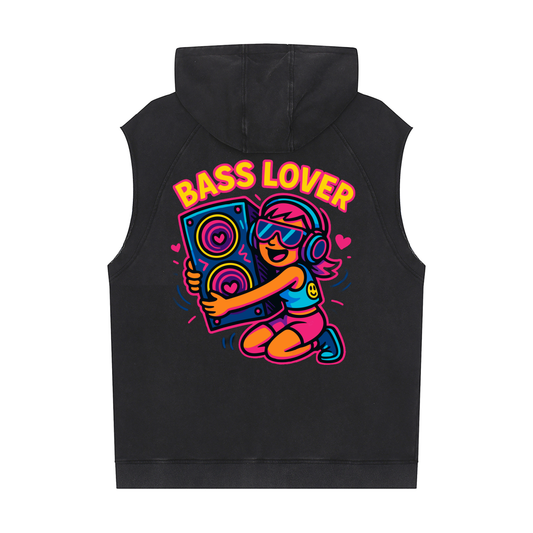
Bass Lover Sleeveless Hoodie
Regular price $65.00 USDRegular priceUnit price per -
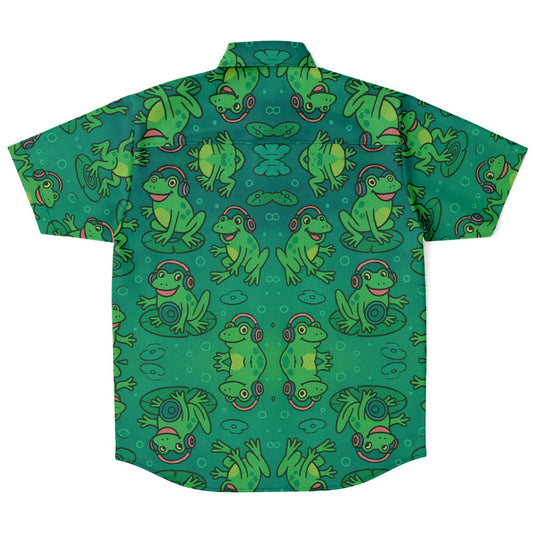
Bass Frog Button Up
Regular price $59.95 USDRegular priceUnit price per -
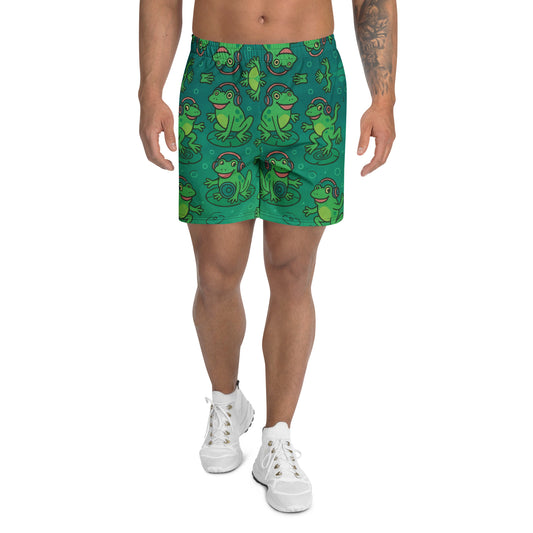
Bass Frog Active Shorts
Regular price $49.95 USDRegular priceUnit price per