What Is Hardstyle? A Beginner's Guide to the Sound and the Scene
Shop the look
-
I Like Bass Tank
Regular price $40.00 USDRegular priceUnit price per -
Molten Spring Padded Sports Bra
Regular price $54.95 USDRegular priceUnit price per -
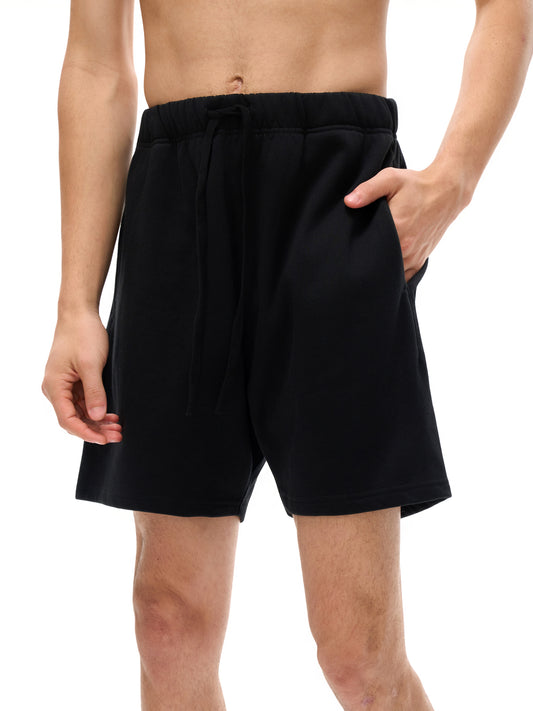
Rave Dad Cotton Shorts
Regular price $50.00 USDRegular priceUnit price per -
Molten Spring Leggings
Regular price $54.95 USDRegular priceUnit price per




What Is Hardstyle?
Hardstyle is a hard electronic dance genre built on a distorted, pitched kick drum, a tempo around 150 BPM, and big melodic hooks. It sits between the raw aggression of hardcore and gabber and the polished energy of mainstream festival EDM, but the kick works as a bass note rather than just a beat. That matters if you are heading to your first show, because it explains the chest-rattling feel that makes a hardstyle crowd move the way it does.
So that is the short answer to what is hardstyle. The longer one covers where it came from, how to tell its flavors apart, which festivals are worth the flight, and how to dress for it. Let's get into it.
Where Hardstyle Came From
Hardstyle took shape in the Netherlands and Belgium in the early 2000s, growing out of the hardcore and gabber scenes. Producers slowed things down from the frantic speeds of gabber, cleaned up the kick, and added melody and emotion. The result stayed heavy but became far easier to sing along to. Dutch event brand Q-dance helped turn it into a full festival culture, and the sound has since spread well beyond Europe.
How Hardstyle Differs From Other Genres
If you already go to raves, you have a reference point. Here is how hardstyle compares to the sounds you probably know.
- House: Sits around 120 to 130 BPM and leans on groove. Hardstyle is faster, heavier, and far more dramatic.
- Techno: Dark, hypnotic, and repetitive, built for long warehouse nights. Hardstyle trades the trance-like loop for huge payoffs and melodic peaks. If that underground world is more your lane, read What to Wear to a Techno Club Night.
- Big room EDM: Drop-focused and often lighter in the low end. Hardstyle's kick is more aggressive and carries more weight.
- Psytrance: Rolling, swirling, and trippy. Hardstyle is more direct. For that scene, see Psytrance Fashion: How to Dress for a Psychedelic Rave.

The Hardstyle Sound: Kicks, Reverse Bass, and Screeches
Hardstyle tempo and kick: Hardstyle usually runs at about 150 BPM, faster than house at roughly 120 to 130 BPM and faster than most techno. Its signature kick drum is distorted and tuned to a musical note, so the kick and the bassline work together as one sound.
Strip a hardstyle track down and a handful of parts are doing most of the work. Learn to hear them and the whole genre opens up.
The Kick
The kick starts with a hard punch, then trails into a long, distorted tail that carries pitch. Producers tune that tail to the key of the track, so every kick doubles as a bass note. On a proper sound system you feel it in your sternum before your brain registers it. Headphones never quite capture that. You need a wall of speakers and a few thousand people around you.
The Reverse Bass
Between the kicks sits the reverse bass, a rolling offbeat bass that fills the gap and creates the galloping rhythm hardstyle is known for. Count a bar and you hear kick, bass, kick, bass. This is what gives the genre its drive, and it is the reason a whole field jumps in time instead of just nodding along.
Screeches and Leads
On the raw side you get screeches: pitched, metallic, almost animal lead sounds that slice over the kick. On the euphoric side you get big, bright synth melodies that build toward a drop made for a crowd to sing back. Same engine, very different mood.
The Breakdown and the Return
Most tracks follow a familiar arc. There is a melodic intro, then a breakdown that pulls the kick away, then a build, then the kick slams back in. That return is the moment the whole crowd has been waiting for. Hardstyle producers know it, and they milk it every time. Good ones make it hit like the first time you ever heard it.

Hardstyle Explained: The Main Flavors
Ask five fans what is hardstyle and you will get five different answers, because the genre splits into camps. Knowing the camps saves you from bouncing off the wrong one first.
| Style | Sound | The feeling |
|---|---|---|
| Euphoric hardstyle | Uplifting melodies, vocal hooks, a cleaner kick | Singing the drop with strangers |
| Rawstyle | Gritty kicks, screeches, a darker and harder edge | Headbanging and controlled chaos |
| Hardcore and gabber | Faster, rougher, more abrasive, the genre's ancestors | Pure intensity, no polish |
Euphoric is the easiest door in. Rawstyle is where plenty of long-time fans settle. Hardcore lives next door, and hard dance lineups often put all three within walking distance of each other. My honest take: start melodic. Jumping straight into the hardest end of the scene is a good way to decide you hate it before you understand it.
Hardstyle Festivals Worth Knowing
Defqon.1: Defqon.1 is the best-known dedicated hardstyle festival in the world, held in Biddinghuizen in the Netherlands and organized by Q-dance. It draws tens of thousands of fans for a multi-day weekend of colour-coded stages covering everything from euphoric to hardcore.
Hardstyle festivals have a culture of their own. The crowds are loyal, the production is huge, and fans plan their year around a handful of dates. Here is where to start.
The European Heavyweights
- Defqon.1: The flagship. If you only ever go to one, this is the one that shows you the full scale of the scene.
- Qlimax: A former Q-dance night event in the Netherlands, known for its stage production, that held its final edition in 2024.
- Intents Festival: A Netherlands-based event built around hard dance and the harder end of the spectrum.
- Reverze: A long-running Belgian event with deep roots in the hard dance world.
Hardstyle in the US
American fans do not have to cross an ocean to hear it. EDC Las Vegas runs a stage for harder sounds called Wasteland, and events like EDC regularly draw six-figure crowds daily, which gives hard dance a big audience even when it is one stage among many. Plenty of Americans meet hardstyle there first. If you are planning ahead, our guide What to Wear to EDC 2026: The Streetwear Guide covers the festival look, and the same ideas carry to next year.
Before you book anything, check the official FAQ for each event. Rules on bags, entry, payments, and what you can bring change from festival to festival, and the organizer's page is the only place to get them right.

A Hardstyle Music Guide for Beginners
You do not need a huge playlist to get started. This hardstyle music guide keeps it short and walks you from the friendliest sound to the hardest.
- Start euphoric. Search for names like Headhunterz, Wildstylez, and Brennan Heart. The melodies make the structure easy to follow.
- Move into raw. Try Sub Zero Project when you want more grit and a harder kick.
- Test the hardcore end. Angerfist is a well-known name if you want to hear where the intensity comes from.
- Watch full sets. Hardstyle is a live genre. Q-dance puts festival sets on YouTube, and watching one end to end shows you how a good DJ builds a night.
- Follow the wider scene. DJ Mag runs its annual Top 100 DJs poll and covers dance music broadly, which is a handy way to see what is moving across the industry.
Give each stage a week. Your ears need time to adjust to a kick this distorted, and the genre rewards patience.
What a Hardstyle Crowd Feels Like
Expect a lot of movement. Hardstyle crowds jump, headbang, throw hands up, and shout the words to anthems like they have known them since birth. Some of it is polite chaos. Some of it is not so polite. Either way, the energy is friendly, and the mood leans closer to a football crowd after a goal than to a dark club.
A few habits help on the floor:
- Protect your hearing. Earplugs are worth having, so check the official FAQ for what you can bring in.
- Drink water before you think you need it. Hours of jumping add up fast.
- Stay near your people, and agree on a meeting spot before the set starts.
- Watch your footing when the crowd surges after a drop.

What to Wear to a Hardstyle Show
You will be jumping for hours, so comfort comes first. Pick pieces that breathe, move with you, and survive a sweaty crowd. Many fans lean into a sporty, streetwear-leaning look that suits a genre with this much bounce, and oversized tees or rave jerseys fit that brief without any fuss.
Think about layers too. Festival days can run warm in the afternoon and cooler once the sun drops, and rain is possible at outdoor events, so build an outfit that adapts. Our guide What to Wear to an EDM Festival by Weather breaks that down, and What to Wear to a Rave covers the general rules. For the bigger picture, How Music Genres Shape Rave Streetwear shows why each scene dresses the way it does, and Techno Fashion: How to Dress for the Underground is a fun contrast to hardstyle's louder look.
Shoes matter more than anything else you wear. Choose something cushioned and broken in, because new boots and a twelve-hour day do not mix. Check the official FAQ for the event's rules on bags and what you can carry before you pack.
Ready to build the fit? Browse the full range at raveuniform.com and find pieces made for the dance floor.

Frequently Asked Questions
What is hardstyle music?
Hardstyle is a hard electronic dance genre with a distorted, pitched kick drum and a tempo around 150 BPM. It grew out of hardcore in the Netherlands and Belgium in the early 2000s. Tracks mix a punchy rolling bassline with either euphoric melodies or gritty screeches, and they are made for huge festival crowds.
What BPM is hardstyle?
Hardstyle usually sits around 150 BPM. That is faster than house and most techno, but slower than classic hardcore and gabber. The tempo, combined with the rolling reverse bass between kicks, creates the bouncing, galloping rhythm that crowds jump to for hours at a time.
What is the difference between hardstyle and hardcore?
Hardcore is faster, rougher, and more abrasive, while hardstyle is slower, more melodic, and built around a tuned kick. Hardstyle grew out of hardcore and gabber, so the two share roots. Many fans move between both, and hard dance festivals often program them close together.
Where can I see hardstyle live?
Defqon.1 in the Netherlands is the best-known dedicated hardstyle festival. Events like Intents Festival and Reverze also center on hard dance. In the US, EDC Las Vegas has a stage for harder sounds. Check each event's official site for dates and details before planning.
Related guides


More pieces for this look
-
Its Hot Frog Muscle Tank Top
Regular price $40.00 USDRegular priceUnit price per -
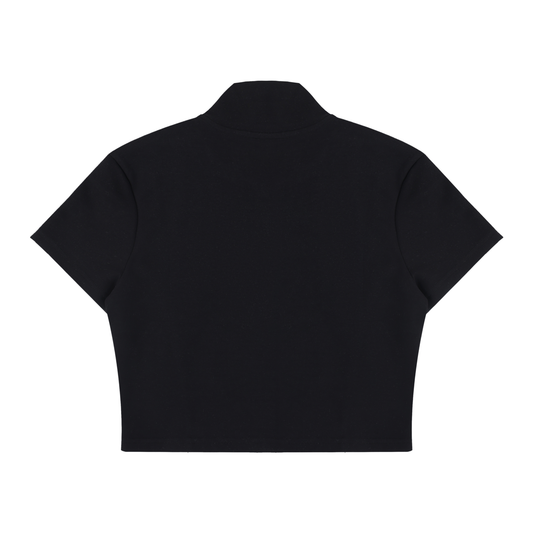
Vinyl Love Cropped Zip-Up T-Shirt
Regular price $42.00 USDRegular priceUnit price per -
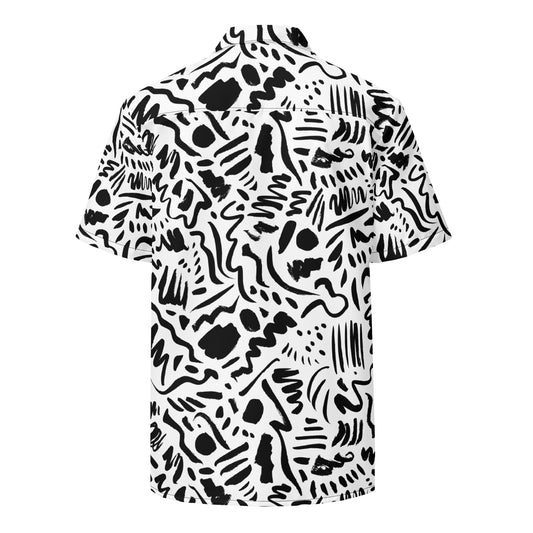
Black Squiggles Collard Shirt
Regular price $59.95 USDRegular priceUnit price per -
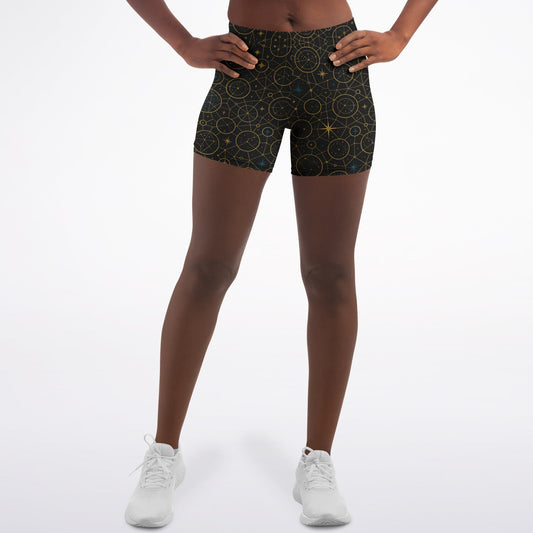
Constellation Legging Shorts
Regular price $44.95 USDRegular priceUnit price per