What Is Hardgroove Techno? The Sound Taking Over Club Nights
Shop the look
-
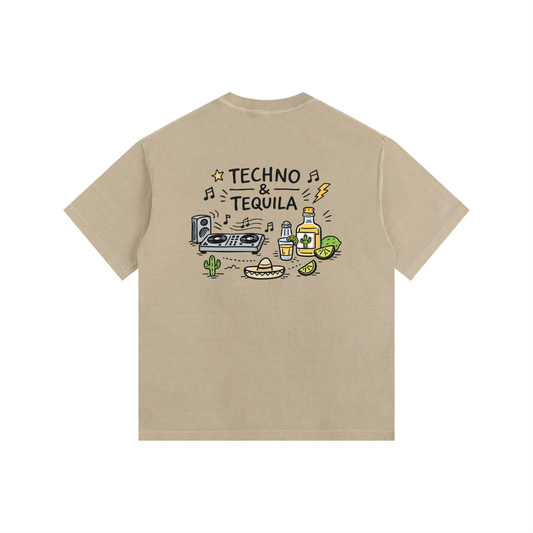
Techno & Tequila Oversized T-Shirt
Regular price $45.00 USDRegular priceUnit price per -
Techno & Tequila Oversized T-Shirt
Regular price $45.00 USDRegular priceUnit price per -
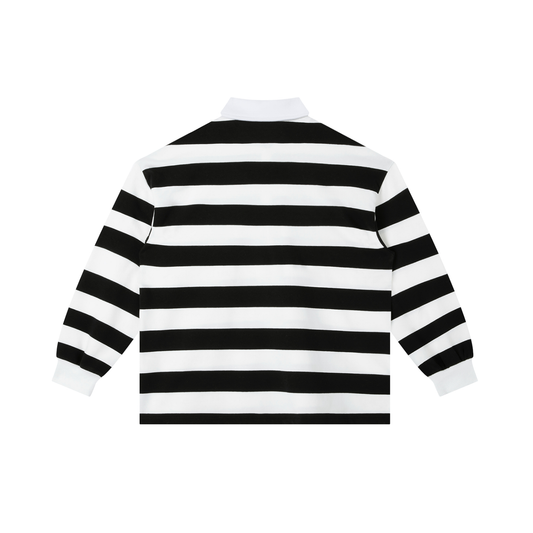
Rave Dad Stripe Polo Shirt
Regular price $60.00 USDRegular priceUnit price per -
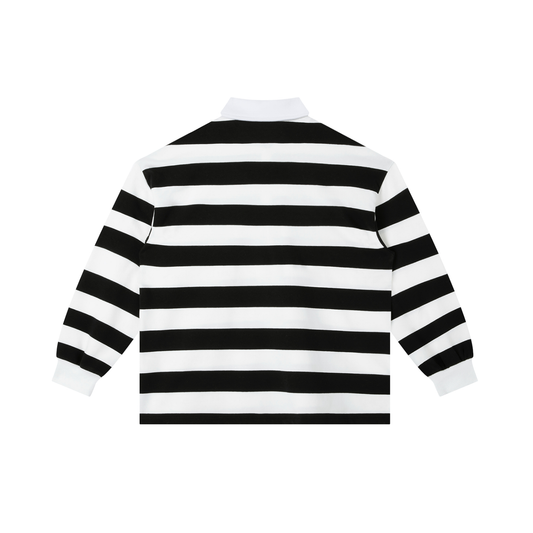
Smiley Stripe Polo Shirt
Regular price $60.00 USDRegular priceUnit price per




What Is Hardgroove Techno?
Hardgroove techno is a subgenre of techno music built on deep, swinging percussion, heavy low-end, and a relentless rhythmic momentum that prioritises feel over pure aggression. Unlike traditional hard techno, which leans into distortion and peak-hour intensity, hardgroove is denser and more hypnotic, pulling you into a groove rather than hammering you with it. For anyone who finds peak-time techno too abrasive but still wants something with genuine weight behind it, hardgroove sits right in that pocket.
Hardgroove techno defined: Hardgroove techno typically runs between 135 and 145 BPM and is characterised by punchy kick drums, swung hi-hats, and repetitive bass patterns that lock into a deep rhythmic cycle. Sets are built for long-form listening and sustained dancefloor energy, not fast drops or melodic breakdowns. It is one of the few techno subgenres where the groove itself is the event.

Where Hardgroove Techno Comes From
The sound has roots in Detroit and the early European techno scenes of the 90s. Detroit producers were doing this long before the genre had a name. The swinging, almost jazz-influenced approach to drum programming, combined with industrial bass textures, became a template that European clubs ran with hard. Berlin absorbed it. So did London, Barcelona, and later South America.
Berghain and clubs like it became central to the sound's development. The room punishes anything that doesn't hold tension across multiple hours. Hardgroove techno is made for exactly that environment, where the crowd expects to be pulled deeper into a state rather than surprised by drops. That pressure shaped producers into thinking about groove construction differently from their harder, faster counterparts.
Detroit's Influence on the Groove
Detroit techno always had swing in it. That rhythmic looseness borrowed from jazz and soul never fully left the genre, and hardgroove is where it stayed most intact. Producers working in this style treat the kick drum as something that breathes, not just something that hits. The space between the beats matters as much as the beats themselves.
How European Clubs Shaped the Sound
European club culture pushed the BPM range up and added more industrial texture without losing the groove. Spanish producers and promoters played a significant role here. The Madrid scene in particular developed its own flavour of the sound during the 2000s, and Resident Advisor has tracked this regional divergence as the genre's geography expanded across the decade.
What Makes Hardgroove Different from Other Techno Subgenres
Techno subgenres can blur together quickly, especially from the outside. But spend a few nights in the right clubs and the differences become hard to unhear.
- Hard techno: Higher BPM, more distortion, often incorporates screechy synth elements. Built for energy peaks. Hardgroove is slower and more controlled.
- Industrial techno: Harsh, abrasive textures. Noise elements push to the foreground. The groove is secondary to the sonic assault.
- Minimal techno: Strip away almost everything. Hardgroove keeps the weight. Less stripped, more locked-in.
- Peak-time techno: Designed for festival main stages and crowd moments. Hardgroove is built for dark rooms and longer sets.
The defining quality is how the rhythm functions. Hardgroove techno locks a crowd in physically. You feel it in your chest and hips before your brain processes it. Sets are constructed as a sustained journey, and tracks often have minimal variation by design. That restraint is the point.
If you want a broader map of how sound and style intersect across these scenes, How Music Genres Shape Rave Streetwear breaks down how different subgenres pull in distinct crowds and aesthetics.

Hard Groove Techno Artists Worth Knowing
This is where a lot of people get stuck when they start exploring the genre. Hard groove techno artists tend to operate outside mainstream festival circuits, which makes them harder to find unless you know where to look.
Producers Who Defined the Sound
Marco Bailey has been one of the most consistent forces in hardgroove for a long time. His productions carry that dense, mechanical groove without veering into noise. He runs his own label, MB Elektronics, which has been a reliable source for the genre across multiple decades.
Samuel L Session is another name that comes up repeatedly in this space. Scandinavian in origin, his approach to the groove is precise and hypnotic in a way that works across both vinyl-focused club nights and longer festival sets.
Spanish producer Dani Sbert has been gaining traction more recently, representing the continued evolution of the Madrid scene's contribution to the genre. His sets at places like Fabrik in Madrid are worth seeking out if the sound is clicking for you.
Labels Running the Sound Right Now
Labels matter in hardgroove. The sound is curated tightly, and most serious producers are selective about where they release. MB Elektronics, Pole Group, and Drumcode's harder catalogue all represent different flavours of the genre. Pole Group in particular has built a reputation for consistent, dark hardgroove releases that hold up in actual club environments.
Where You Hear Hardgroove Techno Live
Hardgroove thrives in intimate, dark clubs over festival main stages, but that's shifting. Events like EDC and Ultra have dedicated underground stages where the sound gets proper placement. Boiler Room streams have brought the genre to a much wider audience over the last few years, particularly with sets that pull from the Madrid and Berlin scenes.
Berghain remains the benchmark room. The acoustics, the crowd's familiarity with long-form techno, and the length of sets all suit hardgroove's requirements. But you don't have to fly to Berlin to hear it done right. Underground nights in London, Amsterdam, and Sydney all have promoters who book specifically within this sound.
If you're planning a club night around this sound, knowing what to wear matters more than people admit. The techno crowd has aesthetic standards. What to Wear to a Techno Club Night and Techno Fashion: How to Dress for the Underground both cover this in detail.
Hardgroove Techno and Rave Culture in 2026
The genre is genuinely growing. Streaming platforms and YouTube DJ sets have made previously regional sounds accessible globally, and hardgroove has been one of the beneficiaries. Events that previously leaned toward peak-time or melodic techno are now adding hard groove techno artists to their lineups to keep up with where the crowd is moving.
The broader techno shift: Across Europe and North America, underground techno nights are drawing larger crowds than at any point in the last decade. Smaller clubs regularly sell out weeks in advance, and the demand for harder, more groove-focused sounds has pushed promoters to expand their bookings beyond mainstream techno names. The genre's global reach is no longer tied to geography.
The crowd coming to these nights is also getting younger, and they're bringing a different approach to dressing for it. Darker, more streetwear-forward looks have replaced the purely functional outfits of older club scenes. The Rise of Rave Streetwear in 2026 tracks exactly how that shift is playing out. A good pair of cargo pants and a clean oversized tee from Rave Uniform's oversized tees fits the aesthetic without trying too hard.
Frequently Asked Questions
What BPM is hardgroove techno?
Hardgroove techno typically sits between 135 and 145 BPM. That range gives it enough pace to sustain dancefloor energy without pushing into the more aggressive territory of hard techno. The groove and low-end texture matter more than raw speed in this subgenre, so producers rarely push much beyond 145.
Is hardgroove techno the same as hard techno?
No. Hard techno tends to be faster and more distorted, often built around screechy synth stabs and peak-time aggression. Hardgroove techno is heavier on the low-end, more rhythmically hypnotic, and designed for sustained dancefloor tension rather than high-energy moments. Different crowds, different rooms, different intent.
Who are the best hardgroove techno artists to start with?
Start with Marco Bailey and Samuel L Session for a grounding in how the genre is built. Both have long discographies and Boiler Room or live sets available online that show how the sound functions in real club environments. From there, dig into the Pole Group and MB Elektronics catalogues for newer releases.
What should I wear to a hardgroove techno night?
Dark, minimal, and practical. The techno crowd leans toward all-black or monochrome streetwear. Think fitted cargo pants, oversized tees, or a plain hoodie. Avoid anything too colourful or costume-forward. Check What to Wear to a Rave for a full breakdown by event type.
If you're building out your techno wardrobe or looking for something that works across club nights and outdoor festivals, Rave Uniform has streetwear built for exactly that.
More pieces for this look
-
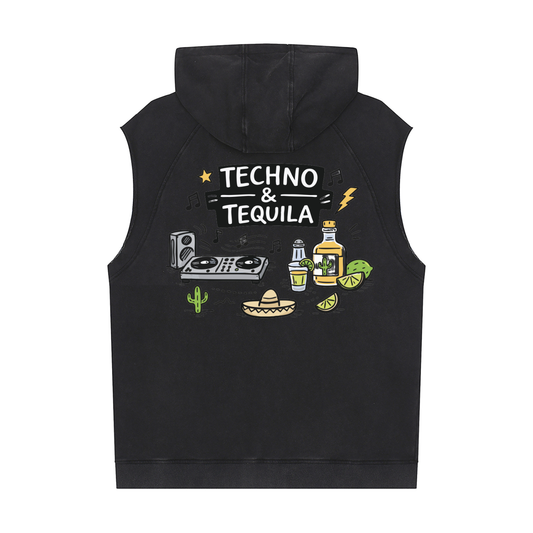
Techno & Tequila Sleeveless Hoodie
Regular price $65.00 USDRegular priceUnit price per -
Smiley Boxy Tank Top
Regular price $45.00 USDRegular priceUnit price per -
Vinyl Love Cropped Fleece Hoodie
Regular price $80.00 USDRegular priceUnit price per -
Vinyl Love Cotton Shorts
Regular price $50.00 USDRegular priceUnit price per